


What causes vaginal itching in women?
Mar 22, 2025
Source: Cainiu Health

Dr. Zhang Lu
Introduction
Not changing underwear frequently or neglecting vulvar hygiene can lead to bacterial growth due to residual vaginal secretions and urine, which may irritate the vulvar skin and cause itching. It is recommended to wash the vulva daily with warm water, change underwear frequently, choose cotton underwear with good breathability, keep the vulva clean and dry, and reduce bacterial proliferation. Using non-breathable sanitary products during menstruation can result in prolonged accumulation of menstrual blood and secretions.
Vulvar itching in women may be caused by poor hygiene habits, menstrual effects, tight clothing, vulvovaginal candidiasis, trichomonas vaginitis, and other factors. Appropriate management can be selected based on specific circumstances. If discomfort occurs, timely medical consultation is recommended to avoid delays in treatment.
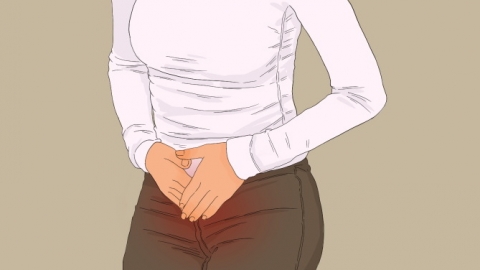
1. Poor hygiene habits: Infrequent changing of underwear and inadequate vulvar cleansing can lead to bacterial growth due to residual vaginal discharge and urine, which may irritate the vulvar skin and cause itching. It is recommended to wash the vulva daily with warm water, change underwear frequently, choose cotton underwear with good breathability, and maintain a clean and dry vulvar environment to reduce bacterial proliferation.
2. Menstrual effects: Using non-breathable sanitary products during menstruation can lead to accumulation of menstrual blood and secretions. Combined with elevated local temperature, this creates favorable conditions for bacterial growth, causing vulvar itching. During menstruation, it is important to choose high-quality, breathable sanitary pads, change them frequently, wash the vulva daily with clean water, and maintain local freshness and comfort.
3. Tight clothing: Long-term wear of tight jeans or synthetic fiber underwear may impair local blood circulation in the vulva, increasing temperature and humidity, which promotes bacterial growth and causes vulvar itching. Wearing loose, breathable cotton clothing is recommended to provide adequate ventilation for the vulva and improve the local environment.
4. Vulvovaginal candidiasis: This condition is caused by Candida infection. When the vaginal flora becomes imbalanced, Candida may multiply excessively. Symptoms include vulvar itching and burning pain, increased vaginal discharge that appears curd-like. Patients can use medications such as clotrimazole suppositories, miconazole nitrate suppositories, or fluconazole capsules under a doctor's guidance to alleviate symptoms.
5. Trichomonas vaginitis: This infection is caused by Trichomonas vaginalis and is primarily transmitted through sexual activity. Symptoms include vulvar itching, increased yellow-green frothy vaginal discharge with an unpleasant odor. Patients can follow medical advice to use medications such as metronidazole suppositories, tinidazole suppositories, or metronidazole tablets to relieve discomfort.
It is recommended that women improve their personal hygiene habits, maintain cleanliness and dryness of the perineal area, change undergarments frequently, and bathe regularly.





