


Can tangerine peel be steeped in water and consumed regularly over a long period?
Apr 21, 2025
Source: Cainiu Health

Dr. Zhang Xiuhong
Introduction
Under normal circumstances, aged tangerine peel (chenpi) can be consumed long-term in moderate amounts by steeping in water. However, long-term excessive consumption is not recommended. Chenpi has the function of regulating qi and strengthening the spleen; moderate consumption can help regulate qi and resolve dampness, and long-term moderate consumption may aid in regulating spleen and stomach functions. Additionally, chenpi can benefit the lungs and resolve phlegm, thereby providing some relief for symptoms such as coughing and phlegm production. The volatile oils present in chenpi can help promote gastrointestinal motility and improve digestive function.
Generally speaking, tangerine peel (chenpi) can be consumed long-term in moderate amounts by steeping in water, but long-term excessive consumption is not recommended. The detailed explanation is as follows:
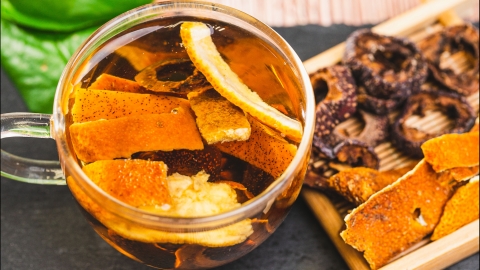
Tangerine peel has the function of regulating qi and strengthening the spleen. Drinking it in moderate amounts can help regulate dampness through qi movement, and long-term moderate consumption helps regulate the function of the spleen and stomach. Tangerine peel can benefit the lungs and resolve phlegm, providing some relief for symptoms such as coughing and phlegm production. The volatile oils in tangerine peel help promote gastrointestinal motility and improve digestion, offering effective relief for symptoms like indigestion and abdominal bloating. The flavonoids, phenolic compounds, and polymethoxyflavones present in tangerine peel provide anti-inflammatory and antibacterial effects. The flavonoids in tangerine peel also have notable antioxidant properties.
However, as tangerine peel is warm in nature, long-term excessive consumption may cause excessive internal heat, leading to symptoms such as oral ulcers, constipation, dry skin, dry mouth, sore throat, and insomnia. Excessive consumption of tangerine peel tea may stimulate gastric acid secretion, potentially worsening gastrointestinal discomfort, such as acid reflux, heartburn, or stomach pain, in individuals who already produce excessive stomach acid. Tangerine peel may overstimulate the central nervous system, potentially causing disturbed sleep and vivid dreams with long-term excessive use, thus affecting sleep quality. Tangerine peel tea contains large amounts of tea pigments; long-term heavy consumption without timely rinsing of the mouth may easily cause yellowing of teeth.
It is important to consume tangerine peel in moderation to avoid gastrointestinal discomfort such as abdominal pain, diarrhea, or allergic reactions. Individuals with body constitutions characterized by deficiency of lung yin, dry cough without phlegm, dry throat, phlegm-heat cough, or sore throat, as well as pregnant women, should use tangerine peel cautiously or avoid it altogether. Tangerine peel can be combined with other food ingredients or medicinal herbs to enhance its effects or improve taste, but attention should be paid to the appropriateness and moderation of the combination. If any adverse reactions occur during consumption, usage should be stopped immediately and medical advice should be sought.





