


Why Do Newborns Require Specific Temperature and Humidity Levels?
May 13, 2025
Source: Cainiu Health

Dr. Zhou Xiaofeng
Introduction
Under normal circumstances, the reasons why newborns require specific temperature and humidity levels include preventing dehydration or overheating, maintaining normal physiological functions, preventing respiratory diseases, promoting sleep and a sense of comfort, and reducing skin problems. Newborns need specific temperature and humidity levels to ensure healthy growth. The ideal indoor temperature ranges between 22°C to 26°C, with humidity maintained between 50% to 60%.
Generally speaking, there are several reasons why newborns require specific temperature and humidity levels: to prevent dehydration or overheating, maintain normal physiological functions, prevent respiratory diseases, promote sleep and comfort, and reduce skin problems. The details are as follows:
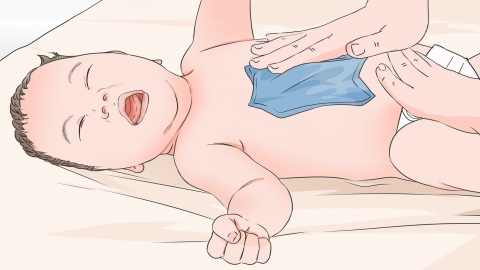
1. Prevent Dehydration or Overheating
In hot and dry environments, newborns are prone to dehydration due to excessive sweating; in cold and humid environments, they may overheat due to poor heat dissipation. Appropriate temperature and humidity help newborns maintain water balance and prevent health issues caused by dehydration or overheating. Meanwhile, suitable humidity promotes sweat evaporation, aiding in body temperature regulation.
2. Maintain Normal Physiological Functions
Appropriate temperature and humidity help newborns maintain normal physiological functions. At suitable temperatures, a newborn's metabolism and heart rate remain within normal ranges, supporting healthy physical development and growth. Adequate humidity also prevents the newborn's skin from becoming overly dry or moist, reducing the occurrence of skin problems.
3. Prevent Respiratory Diseases
Proper humidity is crucial for the respiratory health of newborns. If the air is too dry, the mucous membranes in a newborn's nasal passages can become dry, lowering the respiratory system's resistance to pathogens and increasing the risk of respiratory infections. Proper humidity helps keep the respiratory mucous membranes moist, aiding in the prevention of respiratory diseases.
4. Promote Sleep and Comfort
Appropriate temperature and humidity help newborns achieve better sleep and a sense of comfort. Temperatures that are too high or too low, and humidity that is either excessive or insufficient, can affect sleep quality, potentially causing irritability and continuous crying. Suitable temperature and humidity create a comfortable environment, allowing newborns to sleep peacefully and grow healthily.
5. Reduce Skin Problems
Newborns have delicate and sensitive skin; appropriate humidity helps maintain skin moisture balance and reduces the occurrence of skin problems. If the air is excessively dry, newborns may develop dry, flaky skin. Excessively high humidity may trigger skin conditions like eczema. Therefore, maintaining suitable humidity is essential for newborn skin health.
Newborns require specific temperature and humidity levels to ensure healthy growth. An ideal indoor temperature ranges from 22°C to 26°C, with humidity maintained between 50% and 60%. Parents should closely monitor the environmental temperature and humidity where the newborn resides and take appropriate measures to adjust these factors, creating a comfortable and healthy living environment for the newborn.





