


Is it good for children to eat sea cucumbers?
Jun 19, 2025
Source: Cainiu Health

Dr. Zhou Xiaofeng
Introduction
If a child is over 2 years old, has a fully developed digestive system, and no history of allergies to seafood, consuming sea cucumbers in moderation can help supplement nutrition. Sea cucumbers are rich in high-quality protein, various trace elements, and active substances. Their protein amino acid composition closely matches human requirements, making them easily absorbed and beneficial for children's growth and development. Additionally, elements such as zinc and iron contained in sea cucumbers can help enhance immunity and promote brain development.
Generally speaking, it is beneficial for children to eat sea cucumbers when they are of appropriate age, have normal digestive function, and no allergies. However, it is not advisable for children who are too young, have weak digestion, or suffer from allergies. Detailed analysis is as follows:
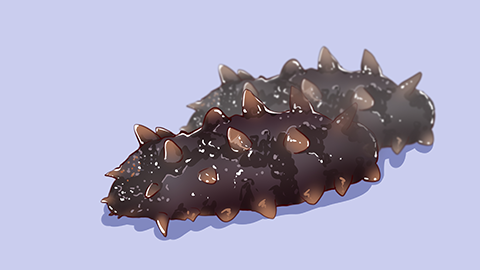
If a child is already 2 years old, has a healthy digestive system, and no history of seafood allergies, moderate consumption of sea cucumbers can help supplement nutrition. Sea cucumbers are rich in high-quality protein, various trace elements, and active substances. Their amino acid profile closely matches human requirements, making them easy to absorb and beneficial for children's growth and development. Elements like zinc and iron contained in sea cucumbers can help enhance immunity and promote brain development. Steaming or stewing are recommended cooking methods that preserve nutrients and are more suitable for children.
For children under 2 years old, the digestive system is not yet fully developed and may struggle to digest the large-molecule proteins in sea cucumbers, potentially causing digestive issues such as indigestion and abdominal distension. If a child has an allergic constitution, especially an allergy to seafood, eating sea cucumbers may trigger severe allergic reactions such as rashes or difficulty breathing. This not only prevents nutrient absorption but also poses a risk to health.
When feeding sea cucumbers to children, ensure the child's age and digestive capacity are appropriate, check for any allergy history, start with a small amount, monitor for adverse reactions, and gradually increase the portion if no abnormalities occur. If any discomfort arises, stop consumption immediately and seek medical attention.





