


What are the nutritional values of perilla leaves?
Jun 20, 2025
Source: Cainiu Health

Dr. Yu Yongchao
Introduction
Perilla leaves are rich in vitamin C, vitamin B1, vitamin B2, vitamin E, and others. Vitamin C enhances immune function, promotes collagen synthesis, and aids in wound healing; the B-vitamin complex participates in human metabolism and promotes the conversion and utilization of carbohydrates, fats, and proteins; vitamin E has antioxidant properties that protect cells from damage caused by free radicals.
Perilla leaves generally offer nutritional value in aspects such as vitamins, minerals, volatile oils, dietary fiber, and flavonoid compounds. A detailed analysis is as follows:
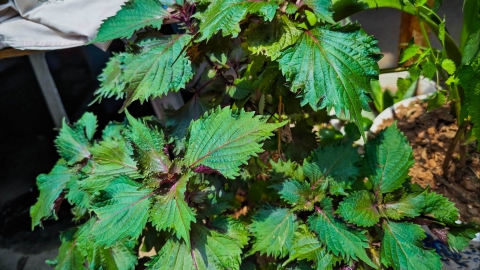
1. Vitamins: Perilla leaves are rich in vitamin C, vitamin B1, vitamin B2, vitamin E, and others. Vitamin C enhances human immunity, promotes collagen synthesis, and aids wound healing. B vitamins participate in human metabolism and promote the conversion and utilization of carbohydrates, fats, and proteins. Vitamin E has antioxidant properties, protecting cells from free radical damage.
2. Minerals: Perilla leaves contain various minerals such as calcium, iron, zinc, and potassium. Calcium supports bone and tooth development and maintains bone health. Iron participates in hemoglobin synthesis and plays a positive role in preventing iron-deficiency anemia. Zinc promotes human growth and development and helps maintain taste and smell functions. Potassium regulates osmotic pressure within the body and supports normal heart function.
3. Volatile Oils: Perilla leaves contain volatile oils such as perillaldehyde, perilla ketone, and limonene. These components give perilla leaves their unique aroma. The volatile oils have certain antibacterial and anti-inflammatory effects, soothe respiratory mucosa, promote secretion of digestive fluids, enhance appetite, and aid gastrointestinal function.
4. Dietary Fiber: Perilla leaves contain a certain amount of dietary fiber, including both soluble and insoluble fiber. Dietary fiber promotes intestinal motility, increases stool volume, aids defecation, prevents constipation, absorbs water in the intestines, maintains a balanced intestinal microbiota, and benefits digestive system health.
5. Flavonoids: Perilla leaves contain flavonoid compounds such as luteolin and apigenin. These components have strong antioxidant activity, effectively removing excess free radicals in the body, reducing cellular damage, helping delay aging, and potentially benefiting cardiovascular health.
In daily consumption, perilla leaves can be washed and eaten raw in salads, added to porridge, soups, or used as a cooking ingredient. They can also be dried and steeped in hot water for drinking.






