


How long does it take to recover after donating 200cc of blood?
Jun 23, 2025
Source: Cainiu Health

Dr. Liu Feng
Introduction
After donating 200cc of blood, the total blood volume can typically be rapidly restored within 1-2 hours through fluid regulation in the body. However, complete regeneration of red blood cells and hemoglobin usually requires 2-4 weeks. After blood donation, it is important to rest adequately, ensure sufficient sleep, avoid staying up late and excessive fatigue, and provide the body with a favorable environment for recovery. Regarding diet, it is recommended to increase intake of foods rich in iron and protein.
Generally, after donating 200cc of blood, total blood volume can usually be rapidly restored within 1-2 hours through the body's fluid regulation mechanisms. However, complete regeneration of red blood cells and hemoglobin requires 2-4 weeks. A detailed explanation is as follows:
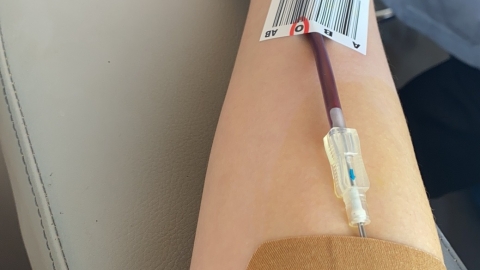
After donating 200cc of blood, circulating blood volume experiences a brief decline, at which point the body's fluid regulation mechanisms quickly activate. On one hand, interstitial fluid surrounding the blood vessels rapidly moves into the vessels to replenish lost fluid components and maintain intravascular fluid balance. On the other hand, the kidneys reduce urine production to retain more water within the body. Additionally, the neuro-humoral regulatory system may cause vasoconstriction to ensure adequate blood perfusion to vital organs. Through the combined action of these regulatory mechanisms, total blood volume usually recovers quickly within 1-2 hours, maintaining normal physiological functions.
Regeneration of red blood cells and hemoglobin occurs more slowly and typically takes 2-4 weeks. Red blood cells originate from hematopoietic stem cells in the bone marrow. After blood donation, these stem cells detect the reduction in blood components and begin to proliferate and differentiate more rapidly, forming proerythroblasts. These proerythroblasts undergo a complex developmental process before maturing into red blood cells capable of oxygen transport. Hemoglobin is synthesized during the maturation of red blood cells and requires essential nutrients such as iron, protein, and vitamin B12. Over the course of these 2-4 weeks, the body continuously mobilizes nutritional resources to gradually complete the full regeneration of red blood cells and hemoglobin, restoring the blood's oxygen-carrying capacity.
After donating blood, it is important to rest adequately, ensure sufficient sleep, avoid staying up late, and prevent excessive fatigue, thereby creating a favorable environment for recovery. Regarding diet, increase intake of foods rich in iron and protein, such as animal liver, legumes, and fish. Additionally, consume more fresh vegetables and fruits to obtain vitamin C, which enhances iron absorption. The venipuncture site should be kept clean and dry, avoiding contact with water to prevent infection.



