


What is the difference between Euryale ferox (Qianshi) and Nelumbo nucifera seeds (Lianzi)?
Jul 15, 2025
Source: Cainiu Health

Dr. Sun Lianqing
Introduction
Under normal circumstances, the main differences between Gorgon fruit (Qianshi) and lotus seeds lie in their appearance, source species, texture and taste, medicinal value, and methods of consumption. If there are specific dietary or medicinal needs, it is recommended to choose according to individual circumstances. In daily life, both Gorgon fruit and lotus seeds are commonly used nourishing ingredients, and can be selected based on personal taste and requirements. If intended for medicinal use, it is advisable to consult a qualified physician to avoid self-administration.
Generally speaking, the main differences between Gorgon fruit (Qianshi) and lotus seeds (Lianzi) lie in their appearance, source species, taste and texture, medicinal value, and methods of consumption. If there are specific dietary or medicinal needs, it is recommended to choose according to individual circumstances. The detailed analysis is as follows:
1. Appearance
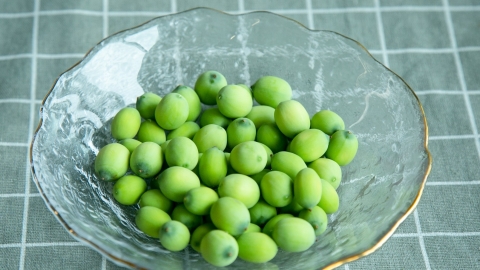
Gorgon fruit is nearly spherical in shape, sometimes slightly asymmetrical, with a reddish-brown inner seed coat. It has a depression at the top, known as the hilum, and is relatively hard in texture, with a white, powdery cross-section. Lotus seeds are mostly oval-shaped, plump in appearance. Red lotus seeds have a reddish-brown or purplish-red seed coat, while white lotus seeds are洁白 in color. Compared with Gorgon fruit, lotus seeds are relatively crisp in texture, with a white, powdery cross-section.
2. Source and Variety
Gorgon fruit is the dried mature seed kernel of Euryale ferox, a plant of the Nymphaeaceae family. It is harvested in autumn when the fruit is mature. The fruit peel is removed, the seeds are taken out, washed, and then the hard shell is removed before drying. Lotus seeds are the dried mature seeds of Nelumbo nucifera, also from the Nymphaeaceae family. They are harvested when the莲蓬 (lotus seed pod) matures, and are processed after removing impurities such as the outer peel. Lotus seeds are a commonly used ingredient with both medicinal and dietary applications.
3. Taste and Texture
Gorgon fruit has a relatively firm texture with some chewiness. When cooked, it becomes soft and glutinous, with a mild flavor and a slight astringency. Lotus seeds have a more varied texture. Red lotus seeds retain their seed coat, giving them a firm and chewy texture with a slight astringency. White lotus seeds are soft, glutinous, and delicate in texture, with a sweet and refreshing taste. Compared to Gorgon fruit, lotus seeds have less astringency and a more pronounced sweetness.
4. Medicinal Value
In traditional Chinese medicine, Gorgon fruit is known for its effects of nourishing the kidneys, consolidating essence, strengthening the spleen to stop diarrhea, and eliminating dampness to relieve leukorrhea. It is commonly used to treat conditions such as seminal emission, spermatorrhea, enuresis, frequent urination, chronic diarrhea due to spleen deficiency, turbid urine, and leukorrhea. Lotus seeds primarily strengthen the spleen to stop diarrhea, nourish the kidneys to consolidate essence, and nourish the heart to calm the spirit. They can be used to regulate conditions such as spleen deficiency diarrhea, seminal emission, spermatorrhea, palpitations, and insomnia. Red and white lotus seeds have slightly different medicinal focuses, but overall they have a mild medicinal nature.
5. Methods of Consumption
Gorgon fruit is suitable for stewing in soup or cooking into porridge—for example, stewing with pork ribs and Chinese yam, or cooking with rice or millet to enhance flavor and nutrition. Lotus seeds are common ingredients in cooking. Red lotus seeds are suitable for stewing in soup or making porridge, while white lotus seeds can also be used to prepare desserts and pastries in addition to soups and porridges. They are versatile in culinary applications and can even be eaten directly as snacks.
In daily life, both Gorgon fruit and lotus seeds are commonly used nourishing ingredients. Selection can be based on personal taste and needs. If intended for medicinal use, it is advisable to consult a professional physician to avoid self-medication.



