


How to distinguish between laryngitis and pharyngitis
Nov 26, 2025
Source: Cainiu Health

Dr. Lu Cheng
Introduction
In general, although laryngitis and pharyngitis are both upper respiratory tract inflammations, they can be differentiated by the affected site, core symptoms, impact on voice, swallowing response, and characteristics of accompanying secretions. In daily life, it is important to keep the throat moist, avoid excessive voice use and spicy or irritating foods, reduce exposure to tobacco and alcohol, and support the recovery of the respiratory mucosa.
Generally, although laryngitis and pharyngitis both belong to upper respiratory tract infections, they can be distinguished by differences in the affected areas, core symptoms, impact on voice, swallowing responses, and characteristics of accompanying secretions. The specific analysis is as follows:
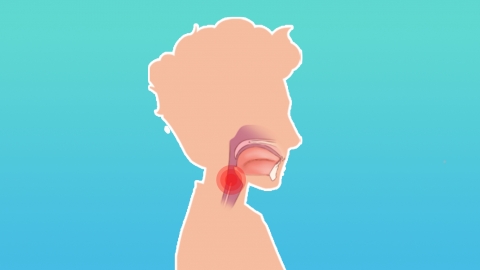
1. Different affected areas: Laryngitis is localized to the mucous membrane of the larynx, involving vocal-related structures such as the vocal cords and glottis; pharyngitis primarily affects the mucous membrane of the pharynx, including the posterior pharyngeal wall, tonsils, and fauces. This difference in location directly leads to distinct symptom profiles between the two conditions.
2. Differences in core symptoms: The main symptom of laryngitis is discomfort in the larynx, often manifesting as dryness, burning sensation, or a foreign body sensation, with cough typically being an irritative dry cough. In contrast, the core symptoms of pharyngitis include a sensation of a foreign body in the throat, dryness, and itching, sometimes accompanied by frequent throat-clearing. Coughing may be associated with irritation from pharyngeal mucus.
3. Impact on voice: Laryngitis often affects vocal cord function, leading to hoarseness in most patients. In severe cases, speaking becomes difficult or even impossible. Pharyngitis usually does not directly involve the vocal cords and generally does not cause significant voice changes, although a few individuals with severe inflammation spreading beyond the pharynx may experience mild voice lowering.
4. Differences in swallowing response: Patients with pharyngitis often experience increased throat pain or a foreign body sensation during swallowing, especially when consuming dry foods. In contrast, throat pain during swallowing in laryngitis is relatively mild, with pain more likely to worsen during speaking or coughing. Swallowing has minimal effect on laryngitis symptoms.
5. Characteristics of accompanying secretions: Secretions in laryngitis are scanty and thick, often adhering to the surface of the vocal cords, causing patients to feel the need to cough frequently but find it difficult to expel them. In pharyngitis, secretions are relatively abundant, usually transparent or white mucus, easily expectorated from the throat. Some individuals may feel mucus sticking to the posterior pharyngeal wall.
In daily life, it's important to keep the throat moist, avoid excessive voice use and spicy or irritating foods, and reduce exposure to tobacco and alcohol to support the recovery of respiratory mucosa.





