What to do if acetone comes into contact with skin
Nov 28, 2025
Source: Cainiu Health

Dr. Liu Wenmin
Introduction
After skin contact with acetone, take the following measures: immediately rinse with running water, clean with mild soapy water, apply a moisturizing and repairing lotion, monitor changes in skin condition, and seek medical attention promptly if severe. Quickly rinse the affected skin under running water after acetone exposure to dilute and remove residual acetone, thereby reducing prolonged chemical irritation.
Generally, if acetone comes into contact with the skin, it can be managed by immediately rinsing with flowing water, cleaning with mild soapy water, applying a moisturizing and repairing lotion, monitoring changes in skin condition, and seeking medical attention promptly in severe cases. A detailed analysis is as follows:
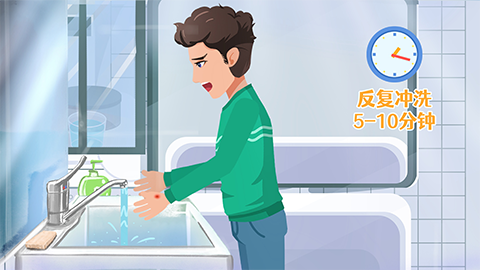
1. Immediately rinse with flowing water: After skin exposure to acetone, quickly place the affected area under running water and rinse for 10–15 minutes to dilute and remove residual acetone, reducing ongoing chemical irritation. Use lukewarm water during rinsing; avoid water that is too cold or too hot, which may worsen skin discomfort.
2. Clean with mild soapy water: If the skin is intact without breaks or wounds, gently clean the exposed area with non-irritating, mild soap and water after rinsing to further remove any remaining acetone. Pat the area dry with a clean towel afterward—do not rub vigorously, as this may damage the skin.
3. Apply moisturizing and repair lotion: Promptly apply a moisturizing and skin-repairing lotion containing ingredients such as glycerin or ceramides to the affected area after cleaning. This helps replenish moisture, restore the skin barrier damaged by acetone, and relieve dryness and tightness. Apply 2–3 times daily to maintain skin hydration.
4. Monitor changes in skin condition: Closely observe whether symptoms such as redness, stinging, itching, or peeling develop. If only mild dryness occurs and resolves quickly, significant concern is usually unnecessary. However, if symptoms persist or worsen, or if blisters or skin breakdown appear, this may indicate worsening skin injury and requires careful attention.
5. Seek medical help promptly in severe cases: If there is extensive skin exposure, obvious skin damage or infection, or systemic symptoms such as dizziness or nausea, acetone may have been absorbed through the skin, triggering a systemic reaction. Immediate medical evaluation is required—go to the hospital, inform the doctor of the exposure history, and receive professional treatment.
When handling acetone routinely, wear chemical-resistant gloves for protection. If skin abnormalities persist after managing the exposure, do not self-medicate; instead, follow professional medical advice.