What medications are effective for quickly treating pelvic inflammatory disease (PID)?
Oct 14, 2021
Source: Cainiu Health

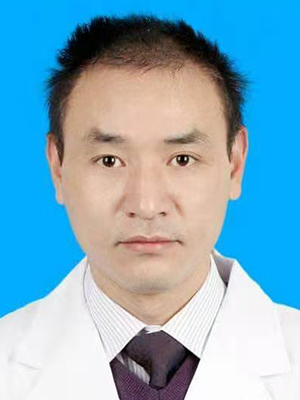
Dr. Yan Ying
Introduction
For acute inflammation, intravenous administration of cephalosporin antibiotics and metronidazole is recommended. If a pelvic abscess develops, surgical incision and drainage are advised. Concurrently, traditional Chinese medicine (TCM) therapies aimed at promoting blood circulation and resolving stasis may be used—for example, oral administration of Yinqiao Jiedu Wan or Angong Niuhuang Wan. For chronic inflammation, Jinguangteng Capsules may be selected for regulation and treatment.
In recent years, the incidence of pelvic inflammatory disease (PID) among women has been relatively high, posing significant risks to female reproductive health. PID is fundamentally a gynecological inflammatory condition. From a pathological perspective, it primarily refers to infectious diseases affecting the female reproductive organs. Other types of genital infections in women include endometritis, salpingitis, and pelvic peritonitis. So, what medications are most effective for rapid recovery from PID? The following section addresses this question.

What medications facilitate rapid recovery from PID?
For acute PID, intravenous administration of cephalosporin antibiotics and metronidazole is recommended. If a pelvic abscess develops, surgical incision and drainage are advised. Adjunctive traditional Chinese medicine (TCM) therapies aimed at promoting blood circulation and resolving stasis may also be employed—for example, oral administration of Yin Qiao Jie Du Wan (Honeysuckle and Forsythia Detoxifying Pills) or An Gong Niu Huang Wan (Imperial Palace Buffalo Horn Pills). For chronic PID, Jin Gang Teng Capsules may be used for regulation and management. During the acute phase, bed rest in a semi-recumbent position is recommended to facilitate accumulation of purulent exudate in the uterorectal pouch, thereby localizing the inflammation. Patients should receive adequate nutrition and hydration, with correction of any electrolyte imbalances. Small-volume blood transfusions may be necessary in severe cases. Physical cooling methods should be applied for high fever, and unnecessary gynecological examinations should be avoided to prevent dissemination of infection.

Knowledge Expansion: What are the symptoms of PID?
1. Abnormal vaginal discharge
Under normal circumstances, vaginal discharge is colorless and odorless. However, if its color changes or it develops an unusual odor, this may indicate an inflammatory infection—including PID.
2. Abdominal pain
Chronic PID often leads to recurrent pelvic congestion and adhesions, resulting in persistent lower abdominal pain and low back discomfort. Symptoms may worsen during sexual intercourse or around menstruation.
The above outlines effective pharmacological approaches for rapid recovery from PID. We hope this information proves helpful to you.