


Best Treatment for Benign Prostatic Hyperplasia
Nov 15, 2021
Source: Cainiu Health
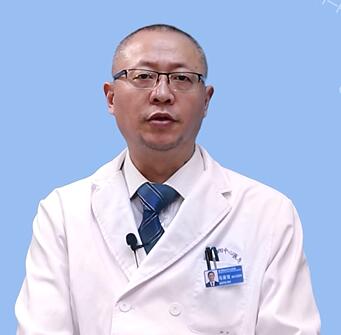
Dr. Ma Fujun
Introduction
1. Self-regulation: Avoid overconsumption of highly nourishing foods; additionally, raw, cold, and spicy foods must be avoided.
2. Medication: Numerous drugs are available for treating benign prostatic hyperplasia (BPH); patients should consult a healthcare provider at a hospital to determine the most appropriate treatment.
3. Surgical intervention: Can provide rapid symptom relief.
4. Acupuncture therapy: Primarily involves stimulation of specific acupoints.
If left untreated, benign prostatic hyperplasia (BPH) may cause damage to the kidneys and potentially progress to a precancerous condition. Therefore, early detection and prompt treatment are essential to avoid missing the optimal therapeutic window. Regular follow-up examinations at the hospital are also strongly recommended. Additionally, because prostate enlargement exerts pressure on the bladder, it may lead to symptoms such as urinary frequency and urgency. So, what constitutes the optimal treatment for BPH? Below, we address this question.

Optimal Treatment for Benign Prostatic Hyperplasia
1. Self-Regulation
Men with BPH should avoid excessive consumption of highly tonifying foods, as these may cause urinary obstruction, leading to difficulty urinating, urethral compression, and impaired voiding. They should also avoid raw, cold, and spicy foods, which can induce prostate congestion, swelling, and urinary dysfunction, resulting in poor urine flow. Furthermore, emotional stress—such as anger or excessive anxiety—should be minimized; maintaining psychological calmness is advised. Adequate hydration is recommended, while urinary retention should be avoided.
2. Pharmacological Therapy
Numerous medications are available for treating BPH; however, patients must consult a physician at the hospital before initiating any drug regimen. Hormonal agents aim to soften prostate tissue and improve urinary function; 5α-reductase inhibitors suppress prostate growth; cholesterol absorption inhibitors (since cholesterol serves as a precursor for androgen synthesis); and natural plant-derived medications are also used.

3. Surgical Intervention
Surgery remains a common treatment modality for BPH. Typically, transurethral resection of the prostate (TURP) is performed using a cystoscope inserted through the urethra to excise hyperplastic prostate tissue. This approach provides rapid symptom relief, involves relatively short operative time, causes minimal trauma, and carries a low complication rate. However, for elderly patients, surgery may impose significant physiological stress and carries a relatively high risk of disease recurrence.
4. Acupuncture Therapy
Acupuncture is a conventional Traditional Chinese Medicine (TCM) treatment for BPH, primarily involving stimulation of specific acupoints to alleviate disease-related symptoms. It often helps improve urinary frequency and urgency associated with BPH. However, acupuncture may prove ineffective for patients with refractory or recurrent BPH requiring repeated surgical interventions.
The above outlines the optimal treatment strategies for benign prostatic hyperplasia. We hope this information proves helpful to you.


