


Can I get pregnant with cervical erosion?
Dec 05, 2021
Source: Cainiu Health

Dr. Duan Yan
Introduction
Women with cervical ectropion (commonly but inaccurately referred to as “cervical erosion”) can become pregnant, provided they are not experiencing an acute exacerbation of chronic cervicitis and their cervical cancer screening results are normal. If a patient with cervical ectropion develops purulent vaginal discharge or pruritus of the vulva or vagina, this indicates an acute exacerbation of chronic cervicitis. Common causative pathogens include *Chlamydia trachomatis* and *Neisseria gonorrhoeae*, and targeted antimicrobial therapy is required.
Cervical erosion (also known as cervical ectropion) is a common gynecological condition. Mild cervical erosion typically has minimal impact on pregnancy; however, conception is not advisable during this stage. Instead, treatment for any underlying inflammation should be prioritized. Attempting to conceive while undergoing preconception preparations may interfere with the management of the condition, and certain medications used in treatment may adversely affect fetal development. Therefore, women diagnosed with cervical erosion who wish to become pregnant should consult their physician to determine the most appropriate course of action.
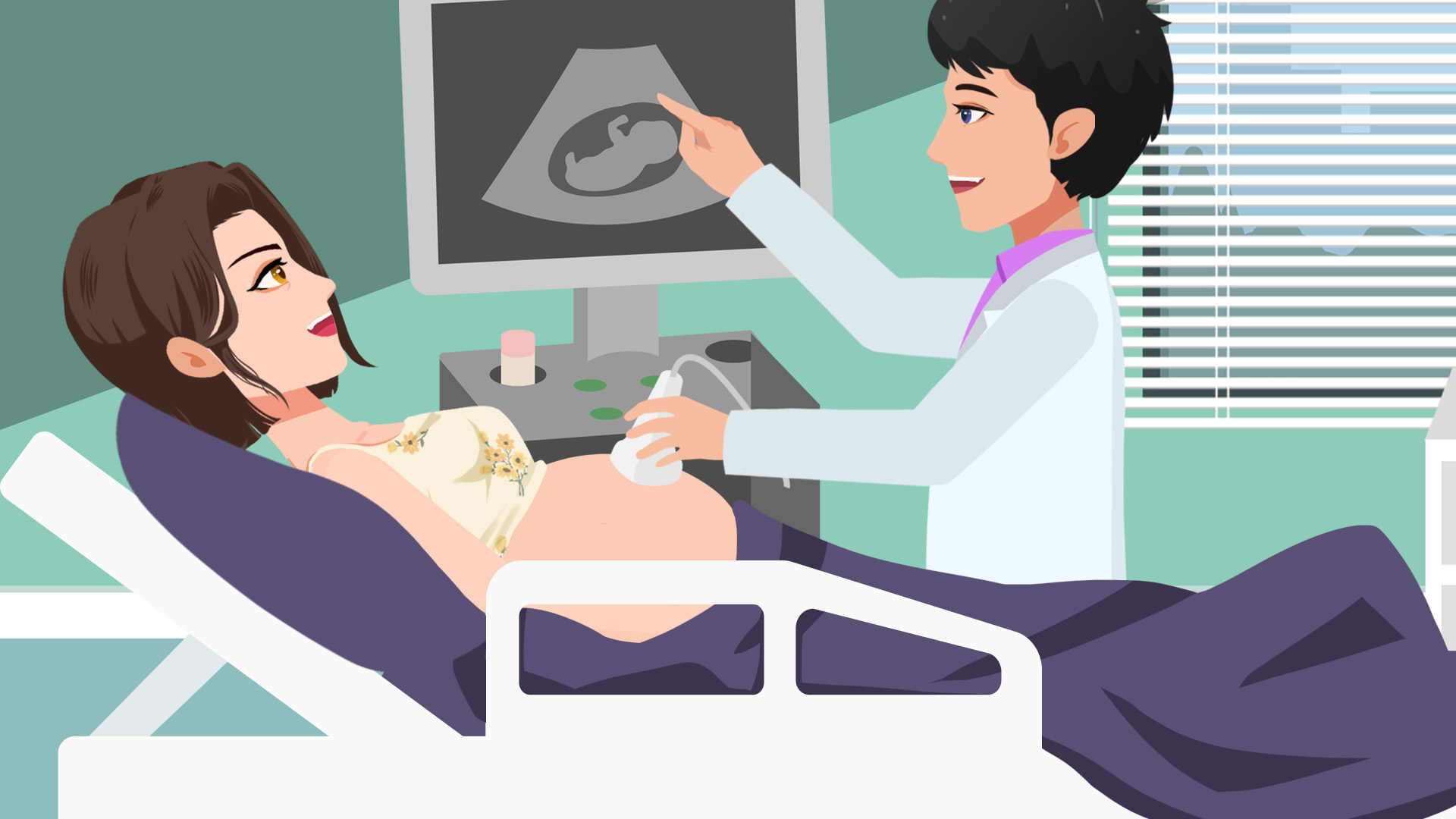
Can women with cervical erosion become pregnant?
Women with cervical erosion may conceive provided they are not experiencing an acute exacerbation of chronic cervicitis and provided cervical cancer screening results are normal. Signs indicating an acute flare-up of chronic cervicitis include purulent vaginal discharge and pruritus of the vulva or vagina. Common causative pathogens include *Chlamydia trachomatis*, *Neisseria gonorrhoeae*, and others; targeted antimicrobial therapy is required. Sexual intercourse should be avoided during active treatment. Cervical cancer screening—including cytology (Pap smear) and/or HPV testing—is essential to rule out cervical intraepithelial neoplasia (CIN) or early-stage cervical cancer. In contrast, simple, physiological cervical erosion—characterized by absence of symptoms, normal vaginal discharge findings, and negative cervical cancer screening—requires no specific treatment and does not contraindicate pregnancy.
Knowledge Extension: Symptoms of Cervical Erosion
1. Increased Vaginal Discharge
Excessive cervical secretions containing large numbers of white blood cells and pathogenic microorganisms disrupt the vagina’s normal physiological environment, thereby restricting sperm motility and shortening sperm survival time.
2. Inflammation
Inflammatory stimulation may cause hyperplasia of the cervical mucosa, leading to polyp formation that obstructs the external cervical os and directly impedes sperm passage.
3. Altered Cervical Mucus
Cervical mucus becomes abnormally viscous, hindering normal sperm movement. The quality and quantity of cervical mucus critically influence whether sperm can successfully traverse the cervix into the uterine cavity. Under normal circumstances, estrogen surge during ovulation increases water content in cervical mucus, rendering it thin and favorable for sperm penetration. However, in moderate-to-severe cervical erosion, cervical secretions markedly increase in volume and viscosity and contain abundant white blood cells—all of which impair sperm motility and hinder sperm entry into the uterine cavity, thereby compromising fertility.
4. Medication Effects
Generally, mild cervical erosion does not cause infertility. However, if moderate or severe cervical erosion coexists with infertility, active treatment is recommended. Patients need not overly worry about impaired fertility due to cervical erosion; with appropriate and timely treatment, resolution of the condition restores normal fertility potential. Importantly, therapeutic approaches vary depending on the severity of cervical erosion; thus, patients are strongly advised to seek evaluation and management at a specialized gynecological facility.
So, can women with cervical erosion become pregnant? The answer is provided above.




