


How Many Times Can Artificial Abortions Affect Fertility?
Dec 07, 2021
Source: Cainiu Health
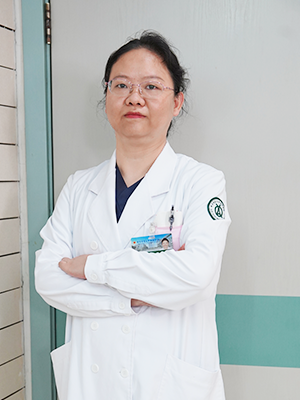
Dr. Cao Ting
Introduction
The more frequent the induced abortions, the greater the risk of future infertility and subsequent miscarriage. If you do not currently plan to conceive, it is advisable to use appropriate contraceptive methods—such as condoms—to protect your reproductive health.
Human pregnancy is a highly complex physiological process. Endocrine-related changes include elevated progesterone levels, thickening of the endometrium, and breast enlargement—all essential preparations for fetal development. However, repeated induced abortions can easily disrupt the body’s endocrine balance, leading to menstrual irregularities and, in severe cases, impairing future fertility. So, how many abortions may affect fertility? Below, we address this question.

How Many Abortions May Affect Fertility?
The more induced abortions a woman undergoes, the greater the risk of subsequent conception difficulties—and the higher the likelihood of future miscarriage. If pregnancy is not currently planned, appropriate contraceptive measures should be adopted; for instance, condoms are a safe and effective option to protect overall health. After three induced abortions, cumulative damage to the endometrium becomes increasingly likely. Additionally, chronic pelvic inflammatory disease may develop, potentially causing tubal obstruction and resulting in infertility.
If menstrual cycles and flow remain normal, endometrial injury is less likely. In such cases, transvaginal ultrasound during the mid- or late-follicular phase can assess endometrial thickness to evaluate its health. As long as natural conception remains possible, childbearing is still feasible. Nevertheless, post-abortion complications—including menstrual disorders and infertility—may occur. The risk increases significantly after three abortions.
Knowledge Extension: Why Should Cold Water Be Avoided During Post-Abortion Recovery?
1. Exposure to cold water after an abortion may trigger symptoms of arthritis or other long-term sequelae—for example, joint pain upon contact with cold water or weather changes. Therefore, proper post-procedural care is essential, and cold water exposure should be avoided for at least one month.
2. Cold-water exposure post-abortion may contribute to long-term issues such as chronic migraines and other sequelae. Inadequate warmth during recovery may also hinder uterine contraction and healing.
3. Cold exposure may increase susceptibility to infection, thereby compromising future fertility. Since dilation and curettage (D&C) inherently induces an inflammatory response, insufficient thermal protection during this vulnerable period impedes inflammation resolution and tissue repair.
The above outlines how repeated induced abortions may impact fertility. We hope this information proves helpful.



