


Where does cervical cancer typically cause pain?
Dec 13, 2021
Source: Cainiu Health

Dr. Zhang Lu
Introduction
Cervical cancer is a malignant tumor that develops in the cervix—the lower, narrow part of the uterus. Pain associated with cervical cancer may occur in multiple areas, including pelvic pain, perineal pain, lower abdominal pain, low back pain, and upper abdominal pain. If you experience persistent pain, seek medical attention promptly for evaluation and treatment. Women are advised to undergo regular gynecological examinations to facilitate early detection and timely treatment of cervical cancer.
Cervical cancer is a malignant tumor arising in the cervix—the lower, narrow part of the uterus. Pain associated with cervical cancer may manifest in multiple anatomical regions, including pelvic pain, perineal pain, lower abdominal pain, low back pain, and upper abdominal pain. If persistent pain occurs, prompt medical evaluation and treatment are essential. Below is a detailed analysis:
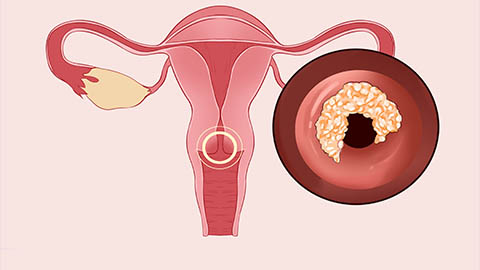
1. Pelvic pain: The uterus resides within the pelvic cavity. As cervical cancer—a malignancy originating in the cervical region—progresses, the tumor may enlarge and directly invade or compress adjacent pelvic organs and tissues, resulting in pelvic pain.
2. Perineal pain: In patients with cervical cancer, hormonal fluctuations during the premenstrual phase or mechanical stimulation during sexual intercourse may irritate the tumor, triggering referred pain throughout the perineum. This is often accompanied by abnormal vaginal discharge and foul odor.
3. Lower abdominal pain: As the tumor grows, it may compress structures in the lower abdomen, impairing local blood circulation and causing pain. Additionally, if the tumor obstructs the cervical canal, secretions from the uterine cavity may become trapped, leading to pyometra (pus accumulation within the uterine cavity), which also manifests as lower abdominal pain.
4. Low back pain: With disease progression, cervical cancer cells may metastasize to the pelvis and infiltrate the uterosacral ligaments, producing dull, aching low back pain. Increased intra-abdominal pressure and a sensation of pelvic heaviness may further strain lumbar musculature, contributing to discomfort. Moreover, if tumor invasion obstructs the ureters, hydronephrosis may develop, also presenting as low back pain.
5. Upper abdominal pain: Without timely intervention, pain may intensify and radiate to the lower extremities—or even become generalized, involving limbs and the back.
When cancer cells invade the pleura, thoracic pain may occur, sometimes accompanied by cough and fever. However, early-stage cervical cancer typically presents without significant pain; common initial symptoms include postcoital or intermenstrual vaginal bleeding and abnormal vaginal discharge. Therefore, regular gynecologic screening is strongly recommended for all women to enable early detection and timely treatment of cervical cancer.







