


Causes of Benign Prostatic Hyperplasia
Dec 27, 2021
Source: Cainiu Health

Dr. Ma Fujun
Introduction
Causes of Benign Prostatic Hyperplasia (BPH):
1. Lack of physical exercise: Prolonged inactivity can impair blood circulation in the prostate region, significantly increasing the risk of BPH.
2. Habitual urinary retention: Frequently delaying urination allows urine to accumulate gradually, leading to increased concentration of toxins in the bladder.
As people age, various organs in the body undergo degenerative changes. In middle-aged and older men, the risk of developing benign prostatic hyperplasia (BPH) increases significantly. The primary symptoms of BPH include nocturia (frequent urination at night), urgency, urinary incontinence, and sometimes mild dysuria (a burning or stinging sensation during urination). So, what are the underlying causes of benign prostatic hyperplasia?
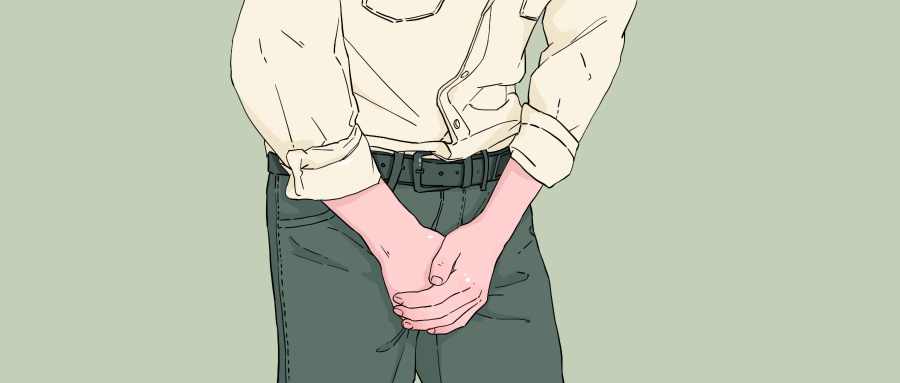
Causes of Benign Prostatic Hyperplasia
1. Lack of Physical Activity
A sedentary lifestyle can impair blood circulation in the prostate region, thereby increasing the risk of BPH.
2. Habitual Urine Retention
Frequently holding urine allows residual urine to accumulate. When combined with inadequate fluid intake, this may lead to progressive accumulation of toxins in the urine—potentially damaging the prostate and contributing to BPH development.
3. Poor Dietary Habits
Consuming excessive spicy foods, smoking, or heavy alcohol consumption can chronically irritate the prostate. Over time, such irritation may promote the development of BPH.
4. Coexisting Inflammatory Conditions
Untreated or poorly managed inflammatory conditions—such as cystitis or urethritis—may persist and eventually trigger BPH.
Management Options for Benign Prostatic Hyperplasia
1. Pharmacological Therapy
Due to the unique anatomical location and physiological characteristics of the prostate, drug therapy for BPH often yields minimal clinical benefit and is generally considered ineffective.
2. Non-Surgical Management
Non-surgical approaches are suitable for patients with mild urinary obstruction or those who are elderly, frail, or have significant comorbidities (e.g., compromised cardiac or pulmonary function) that preclude surgical intervention.
3. Surgical Intervention
Surgical treatment options include radical prostatectomy (complete removal of the prostate), conservative procedures (e.g., transurethral resection of the prostate, TURP), bilateral orchiectomy, or prostate enucleation.
4. Laser Therapy
Laser therapy utilizes optical fibers guided through an endoscope under direct visualization to vaporize hyperplastic prostate tissue, thereby relieving urinary obstruction.
The above outlines the major etiological factors associated with benign prostatic hyperplasia. We hope this information is helpful to you. Wishing you a healthy and joyful life.







