


Scar Hyperplasia Phase
Dec 29, 2021
Source: Cainiu Health
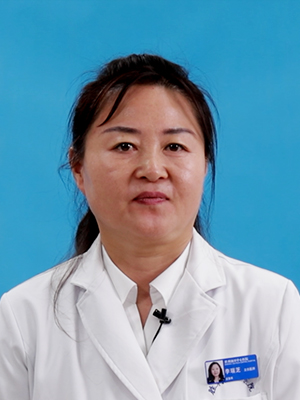
Dr. Li Ruizhi
Introduction
Typically, 1–2 weeks after suture removal following surgery, the local granulation tissue gradually transforms into scar tissue—i.e., fibrous connective tissue proliferation—marking the onset of the hypertrophic scarring phase. Following surgery or trauma, localized scar formation may occur in the skin. During the first 1–2 weeks postoperatively, the wound repair process is dominated by granulation tissue. In most individuals, complete scar maturation generally takes 3–6 months.
Scarring inevitably involves some degree of hypertrophy—this is unavoidable. Hypertrophic scarring varies in severity: mild to moderate cases can often be improved through post-treatment care and proper wound management. However, pathological hypertrophic scarring—characterized by raised, thickened scars—can compromise both skin health and psychological well-being. Such scars require timely medical intervention.

Hypertrophic Scar Phase
Typically, one to two weeks after suture removal, local granulation tissue gradually transforms into scar (fibrous connective) tissue—marking the onset of the hypertrophic scar phase.
Following surgery or trauma, localized scarring may develop. During the first one to two weeks postoperatively, the wound bed consists primarily of granulation tissue. In most individuals, this phase lasts approximately three to six months, during which scar hypertrophy is most pronounced—manifesting as firm, erythematous (reddish) tissue, sometimes accompanied by mild pruritus (itching). Thereafter, the scar gradually enters the involution (atrophy) phase, requiring roughly 1.5–2 years to flatten and stabilize. However, the duration of the hypertrophic phase varies significantly among individuals: some may remain in this phase for one to two years—or even longer—without spontaneous regression, necessitating medical or procedural intervention to suppress further hypertrophy.
Patients should avoid excessive movement of the scarred area, refrain from contact with cold water (to prevent infection), and avoid scratching or manually peeling the scar—allowing it to shed naturally. Adequate rest and avoidance of sleep deprivation are also recommended.
Knowledge Extension: Scar Treatment Options
Traditional Chinese Medicine (TCM) – Purely Physical Approach: Utilizes non-invasive, physical TCM techniques to break down scar tissue, soften existing scars, and promote natural tissue regeneration. This approach improves local microcirculation, accelerates cellular metabolism, and enhances tissue repair.
Scar Sheets or Scar Gels: Both scar sheets and gels contain silicone as their primary active ingredient—their only difference lies in formulation (sheet vs. gel). Application typically begins one week after suture removal and serves primarily to prevent scar formation or hypertrophy. Scar sheets also provide gentle compression therapy. A limitation, however, is their relatively modest efficacy in suppressing established hypertrophic scarring.
The above outlines key aspects of the hypertrophic scar phase. We hope this information is helpful to you.





