What Causes Cervical Bleeding?
Dec 30, 2021
Source: Cainiu Health

Dr. Xiang Jinhong
Introduction
1. Infectious diseases: Pathogenic microorganisms invade the cervix, causing inflammatory changes in the cervical mucosa and underlying connective tissue.
2. Cervical polyps: Chronic inflammatory stimulation leads to abnormal granulation tissue hyperplasia at the local site.
3. Severe cervical ectropion (columnar epithelial displacement): Presents as severe erosion-like changes of the cervix, accompanied by baseline bleeding.
In women, normal vaginal bleeding occurs during menstruation. Some women may also experience light spotting around the time of ovulation. Bleeding at any other time is considered abnormal. If bleeding occurs outside these two periods, it may originate from the cervix. Cervical bleeding can result from numerous causes. Women experiencing persistent bleeding are naturally concerned about its underlying cause—so let’s explore this topic in more detail. What exactly causes cervical bleeding? Below, we outline the most common reasons.
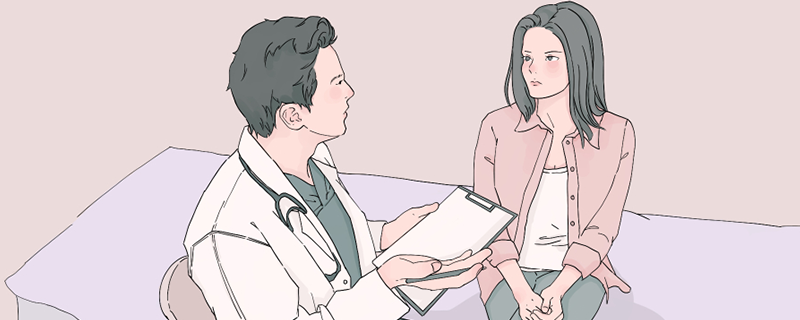
What Causes Cervical Bleeding?
1. Infectious diseases: Pathogenic microorganisms invade the cervix, triggering inflammatory changes in the cervical mucosa and underlying connective tissue. This leads to local cervical congestion, edema, mucosal ulceration, and capillary rupture—resulting in bleeding.
2. Cervical polyps: Chronic inflammation stimulates abnormal, granulation-like tissue proliferation at the site, forming polypoid lesions that may bleed.
3. Severe cervical ectropion (columnar epithelial displacement): This manifests as severe erosion-like changes of the cervix and may cause baseline (intermenstrual) bleeding.
4. Cervical intraepithelial neoplasia (CIN): Classified as low-grade (CIN 1), high-grade (CIN 2 or 3), or moderate-grade (often grouped with high-grade), high- and moderate-grade CIN represent precancerous lesions that may progress to invasive cervical cancer—and can cause localized cervical injury and bleeding.
5. Cervical malignancies: Including invasive cervical carcinoma.
6. Cervical trauma: Includes iatrogenic injury—for example, surgical trauma or improper cervical dilation following induced abortion, which may cause transverse tearing of the cervical muscular layer and subsequent bleeding.
The above outlines the primary causes of cervical bleeding. We hope this information is helpful to you.