


What Are the Symptoms of Urethritis in Men?
Jan 05, 2022
Source: Cainiu Health

Dr. Ma Fujun
Introduction
1. The initial symptoms of urethritis are subtle, and its onset is less acute than gonorrhea; symptoms persist chronically, fluctuating in severity—sometimes milder, sometimes more pronounced—but are generally milder than those of gonorrhea.
2. Urethral discharge is scanty, thin, mucoid or mucopurulent. After prolonged periods without urination, a small amount of thin discharge may ooze from the external urethral meatus.
3. Gonorrheal symptoms appear first; after treatment for gonorrhea, penicillin eliminates *Neisseria gonorrhoeae*, but *Mycoplasma* and *Chlamydia* organisms persist.
Urethritis is a common genitourinary disorder, and women are more susceptible to it than men. Clinical manifestations of urethritis are variable; thus, it is classified into several types—including acute urethritis, chronic urethritis, nonspecific urethritis, and gonococcal urethritis—based on clinical presentation. The latter two types share similar symptomatology. Urethritis poses significant health risks, necessitating prompt diagnosis upon onset; therefore, familiarity with its characteristic symptoms is essential. Below, we address the question: What are the symptoms of urethritis in men?
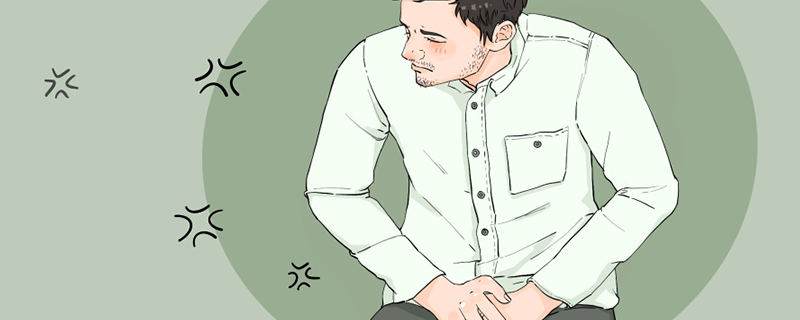
Symptoms of Urethritis in Men
1. Early-stage symptoms are often subtle and insidious, lacking the abrupt onset typical of gonorrhea. Symptoms may persist intermittently—fluctuating in severity—but are generally milder than those of gonorrhea. Approximately half of affected individuals experience only dysuria (painful urination) and urethral pruritus (itching), increasing the risk of missed diagnosis.
2. Urethral discharge is typically scant, thin, mucoid, or mucopurulent. After prolonged periods without urination (e.g., upon waking), small amounts of thin discharge may ooze from the external urethral meatus. In some cases, dried crusts may seal the meatus overnight or stain undergarments. During clinical examination, gentle posterior-to-anterior compression of the anterior urethra may be required to elicit minimal discharge from the meatus. Notably, some patients exhibit symptoms without discharge, while others may have asymptomatic discharge.
3. Urethritis frequently co-occurs with gonorrhea. Initially, gonorrheal symptoms predominate; however, after treatment with penicillin—which effectively eradicates Neisseria gonorrhoeae—Mycoplasma and Chlamydia species may persist. Symptoms of urethritis typically emerge 1–3 weeks post-treatment, leading clinicians to mistakenly attribute them to unresolved or recurrent gonorrhea.
4. Inadequate or delayed treatment may precipitate complications, occurring in approximately 1% of cases. These include acute epididymitis, colitis, prostatitis, and pharyngitis in men; and in women, cervicitis, vaginitis, cervical erosion, vestibular gland inflammation, salpingitis, pelvic inflammatory disease, ectopic pregnancy, and infertility.
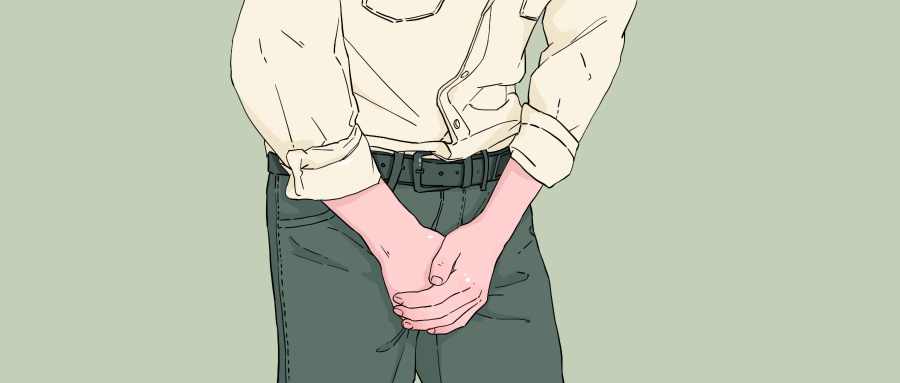
Knowledge Extension: Treatment Approaches for Urethritis in Men
1. Antibiotic Therapy
Numerous antimicrobial agents are available for treating urethritis. Selection should be guided by identification of the causative pathogen and its antibiotic susceptibility profile; combination therapy with two or three agents is often recommended for optimal efficacy. Treatment should continue for 7–10 days after complete resolution of symptoms, normalization of urinalysis findings, and negative urine culture results.
2. Adjunctive Management
During the acute phase, increased fluid intake is advised to enhance urinary flow and mechanically flush the urethra. For patients experiencing urinary frequency, urgency, or dysuria, antispasmodic medications may provide symptomatic relief. Additionally, all identifiable contributing factors should be addressed. In cases of sexually transmitted urethritis, concurrent treatment of sexual partners is mandatory to prevent reinfection and ensure therapeutic success.
3. Local Therapies
Indicated exclusively for chronic urethritis; contraindicated during the acute phase. Options include:
① Urethral calibration (urethral dilation);
② Introurethral instillation of therapeutic agents;
③ Endoscopic electrocautery.
The above outlines the characteristic symptoms of urethritis in men. We hope this information proves helpful.






