


What Are the Symptoms of High Estrogen?
Jan 07, 2022
Source: Cainiu Health

Dr. Zhang Nan
Introduction
1. Menstrual irregularities: Excess estrogen secretion in women can severely disrupt the menstrual cycle, leading to irregular periods.
2. Dry skin: The skin may become dry and dull, with increased wrinkles and age spots.
3. Underdeveloped or hyperplastic breasts.
4. Uterine fibroids.
For women, elevated estrogen levels often lead to a variety of symptoms. There are many potential causes of high estrogen, and timely medical evaluation is essential—after all, this condition can have numerous adverse effects on women’s health. For instance, it may cause menstrual irregularities, dry skin, dull or brittle hair, and, in severe cases, contribute to the development of certain diseases. So, what are the symptoms of high estrogen? Below, we address this question.
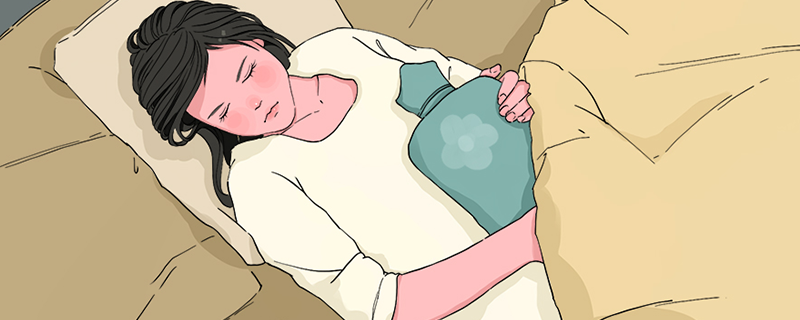
What Are the Symptoms of High Estrogen?
1. Menstrual Irregularities
Excessively high estrogen secretion in women can significantly disrupt the menstrual cycle, leading to irregular periods. Elevated estrogen levels stimulate endometrial hyperplasia and subsequent shedding, thereby increasing the likelihood of menstrual disorders. Thus, when a woman experiences menstrual irregularities, excessive estrogen should be considered as a possible underlying cause.
2. Dry Skin
Dull complexion and increased pigmentation: Excess estrogen secretion severely disrupts the body’s endocrine balance, with the skin often serving as an early and sensitive indicator. Affected women may experience dry, lackluster skin, along with premature wrinkling and hyperpigmentation (e.g., age spots or melasma).
3. Impaired Breast Development or Fibrocystic Changes
Excess estrogen adversely affects breast development and may result in underdevelopment or benign proliferative changes (e.g., fibrocystic breast disease). Clinical signs may include darkened areolae and breast ptosis (sagging). Therefore, women should regularly monitor their bodies and seek timely interventions to restore hormonal balance.
4. Uterine Fibroids
Uterine fibroids are among the most common gynecological conditions in women—and they are highly estrogen-dependent. Abnormal estrogen secretion not only increases the risk of developing fibroids but may also promote their growth. Proper hormonal regulation—bringing estrogen levels back into the normal range—is crucial, as it may help shrink existing fibroids over time.
5. Ovarian Tumors
In addition to uterine fibroids, ovarian tumors may also develop—often stemming from chronically elevated estrogen levels. Excess estrogen can impair ovarian detoxification, causing accumulation of metabolic waste and toxins within the ovaries. Over time, such accumulation may predispose to tumor formation.
6. Weight Gain (Obesity)
Another prominent sign of elevated estrogen is unexplained weight gain—often resistant to conventional diet and exercise regimens. This phenomenon is largely attributable to severe endocrine imbalance caused by excess estrogen.
The above outlines the key symptoms associated with high estrogen levels. We hope this information is helpful to you.



