


What Are the Causes of Polycystic Ovary Syndrome (PCOS)?
Jan 07, 2022
Source: Cainiu Health
Dr. Li Qiang
Introduction
What are the causes of polycystic ovary syndrome (PCOS)?
First, PCOS is directly associated with hormonal imbalances in women. Chronic psychological stress, prolonged depression or anxiety, and frequent sleep deprivation may all trigger abnormal hormone secretion.
Second, certain medications can also induce PCOS—for example, repeated use of emergency contraceptive pills or medications containing hormonal components.
Polycystic ovary syndrome (PCOS) is a common endocrine and metabolic disorder affecting women of childbearing age. After developing PCOS, women often experience weight gain, excessive hair growth (hirsutism), and—severely—may even lose their fertility, posing significant health risks. Therefore, to prevent the adverse effects of PCOS, it is essential to understand its underlying causes and take proactive preventive measures. So, what are the causes of PCOS? Let’s explore them below.
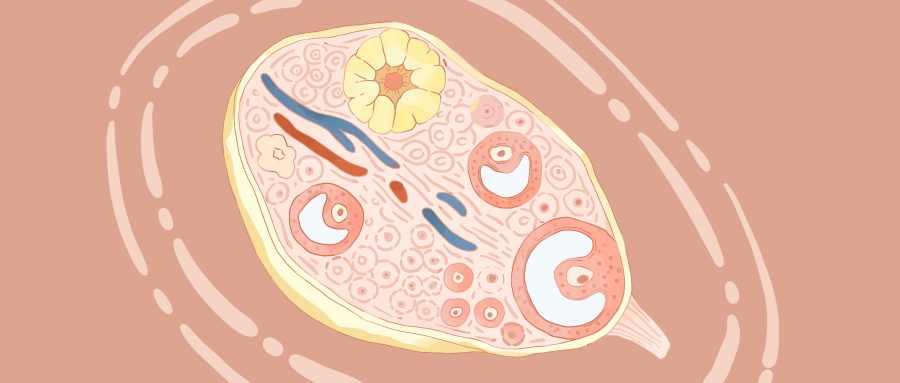
Causes of Polycystic Ovary Syndrome
First, PCOS is directly linked to hormonal imbalances within the female body. Chronic psychological stress, prolonged depression or anxiety, and frequent late-night sleeping can all disrupt normal hormone secretion. Thus, blood tests to assess hormone levels are recommended, followed by targeted hormonal regulation;
Second, certain medications may trigger PCOS. Examples include frequent use of emergency contraceptives or weight-loss products containing high levels of exogenous hormones;
Third, some women lack sufficient knowledge about health maintenance and wellness practices. Overuse or indiscriminate consumption of supplements such as royal jelly, donkey-hide gelatin (ejiao), or honey may also contribute to PCOS development;
Fourth, clinical observations indicate that PCOS has a genetic component. Many patients inherit the condition from family members; thus, women with a familial history of PCOS should be especially vigilant.
Symptoms of Polycystic Ovary Syndrome
1. Menstrual Irregularities
In women with PCOS, androgen levels are typically elevated above normal. Excess androgens interfere with ovulation, leading to menstrual disturbances. Notably, menstrual irregularities in PCOS often begin early—sometimes immediately after menarche. Some patients experience oligomenorrhea (infrequent menstruation) or amenorrhea (absence of menstruation), while a minority present with menorrhagia (excessive menstrual bleeding).
2. Infertility and Recurrent Pregnancy Loss
Three primary factors contribute to infertility in PCOS: First, irregular or absent ovulation makes it difficult to predict the optimal fertile window; standard clinical ovulation monitoring methods are often ineffective for PCOS patients, increasing the likelihood of missed conception opportunities. Second, chronic menstrual irregularity may shorten the overall reproductive lifespan. Third, abnormal hormonal environments impair oocyte quality and endometrial receptivity, hindering successful implantation and pregnancy maintenance.
However, this does not mean women with PCOS cannot conceive. As outlined above, infertility in PCOS mainly stems from hormonal disruption of the ovulatory cycle—and crucially, from difficulties in timing conception. With appropriate interventions—including menstrual cycle regulation and ovulation induction therapy—many PCOS patients successfully achieve pregnancy.
3. Hirsutism
Elevated androgen levels cause hirsutism—excessive hair growth on the face, chest, abdomen, back, and other androgen-sensitive areas. Additionally, some patients may experience androgenic alopecia (hair loss) due to hyperandrogenism.
The above outlines the major etiological factors associated with polycystic ovary syndrome. We hope this information proves helpful to you.








