


Causes of Prolonged Postpartum Lochia
Jan 12, 2022
Source: Cainiu Health
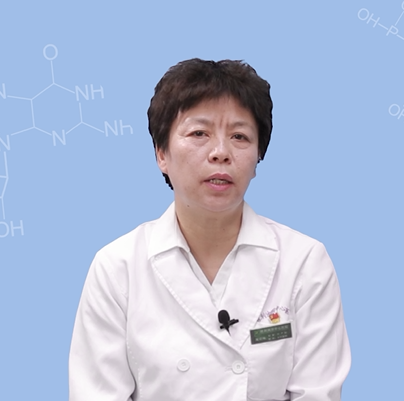
Dr. Yin Hongmei
Introduction
Causes of prolonged postpartum lochia:
1. Poor uterine involution after delivery: Prolonged labor, macrosomia, or excessive blood loss during childbirth can all lead to uterine atony, which impairs normal uterine involution. Inadequate rest following delivery further increases the risk of prolonged lochia.
2. Choriocarcinoma: A rare cause of prolonged postpartum lochia is choriocarcinoma.
After childbirth, women typically experience vaginal discharge consisting of blood and other residual tissue—this is known as lochia. The presence of lochia postpartum is a normal physiological phenomenon; however, abnormal lochia warrants prompt medical evaluation and treatment. Persistent vaginal bleeding one month after cesarean delivery constitutes “prolonged lochia” (lochia lasting longer than expected), indicating an underlying uterine abnormality. Below, we outline the common causes of prolonged lochia.
Causes of Prolonged Lochia
1. Poor Uterine Involution
This condition commonly occurs in women with pre-existing physical weakness or chronic illness. Prolonged labor, macrosomic fetus, or excessive blood loss during delivery may all impair uterine contractility, thereby hindering normal uterine involution. Inadequate rest following delivery further increases the risk of prolonged lochia.

2. Choriocarcinoma
A rare but serious cause of prolonged lochia is choriocarcinoma—a highly malignant trophoblastic tumor that may develop following molar pregnancy, spontaneous or induced abortion, or term delivery. It may also occur after ectopic pregnancy. While most cases affect women of childbearing age, a small proportion occur in postmenopausal women. Recent advances in diagnostic methodology and pharmacotherapy have significantly improved the prognosis for choriocarcinoma.
3. Endometrial Infection
Factors such as uterine malformation, uterine fibroids, prolonged gestation, or suboptimal surgical technique during delivery may result in incomplete removal of placental or fetal tissue from the uterine cavity. Residual tissue predisposes to intrauterine infection, manifesting clinically as prolonged lochia, irregular vaginal bleeding (varying in volume), passage of clots or necrotic tissue, and often accompanied by intermittent lower abdominal pain.
The above outlines the principal causes of prolonged lochia. Women experiencing persistent vaginal bleeding one month after cesarean delivery should seek prompt medical evaluation. If clinical examination reveals no abnormalities, reassurance and supportive care—including adequate rest and psychological adjustment—may suffice while awaiting spontaneous resolution. However, if an underlying pathology is identified, patients must strictly adhere to their physician’s recommendations and undergo appropriate treatment.






