


Effective Treatments for Hepatitis
Jan 21, 2022
Source: Cainiu Health

Dr. Mou Dongpo
Introduction
Effective Treatments for Hepatitis:
During the acute phase, patients should prioritize rest and consume light, easily digestible foods. Medications that protect the liver, promote bile secretion, and reduce jaundice are also used to alleviate and control symptoms.
In the chronic phase, no specific curative drugs are currently available. Treatment primarily focuses on antiviral therapy and enhancing the body’s immune response—commonly using acyclovir or interferon.
Hepatitis, as the name suggests, refers to inflammation of the liver. It is generally caused by viruses, bacteria, medications, alcohol, or autoimmune factors, all of which damage the liver and impair its normal function. Hepatitis typically progresses through two phases: acute and chronic. So, what are the effective treatment options for hepatitis? Let’s explore them below.
Effective Treatments for Hepatitis
During the acute phase, patients should prioritize rest and consume light, easily digestible foods. Medications aimed at protecting the liver, promoting bile secretion, and alleviating jaundice may be used to relieve and control symptoms. In the chronic phase, no specific “miracle” drug exists yet; current management focuses on antiviral therapy and enhancing the body’s natural immunity—commonly using acyclovir or interferon.
1. Patients should maintain an optimistic mindset and avoid excessive sadness or anxiety about their condition. Engaging in enjoyable activities—such as painting, playing Chinese chess, or reading—can help divert attention and positively support recovery.
2. Individuals with hepatitis must strictly avoid alcohol, spicy or highly stimulating foods, as well as fried or overly dry, hard foods. Rest is essential, and eliminating unhealthy habits is critical for full recovery.
3. In daily diet, prioritize vegetables grown without pesticides—or those with minimal pesticide residue. Thoroughly rinse produce under running water or peel fruits before consumption to minimize exposure to chemical residues. Drink plenty of water daily, as adequate hydration increases circulating blood volume and enhances hepatocyte activity.
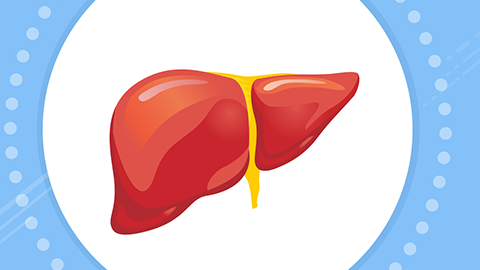
How Is Hepatitis Transmitted?
1. Bloodborne Transmission
Transmission may occur via inadvertent transfusion of infected blood or blood products, or through use of contaminated syringes or needles.
2. Sexual Transmission
Hepatitis can be transmitted through sexual intercourse—a relatively common route of infection. Therefore, consistent and correct use of protective measures (e.g., condoms) is crucial for preventing viral transmission.
3. Vertical (Mother-to-Child) Transmission
This refers to transmission of hepatitis B virus (HBV) from mother to infant. Many HBV-infected mothers transmit the virus to their newborns during delivery. Thus, maternal HBV infection should be treated prior to conception, and protective strategies implemented throughout pregnancy. Prompt administration of hepatitis B vaccine and hepatitis B immunoglobulin (HBIG) to the newborn immediately after birth effectively prevents transmission and ensures the infant’s health.
We hope the above information is helpful to you.




