


How to Administer the Hepatitis B Vaccine
Jan 25, 2022
Source: Cainiu Health

Dr. Jiang Weimin
Introduction
Newborns must receive their first dose of the hepatitis B vaccine within 12 hours of birth, followed by the second dose at one month of age and the third dose at six months of age. A hepatitis B antibody test is scheduled at eight months of age; if the child lacks detectable antibodies, revaccination is recommended. Once antibodies are present, they can persist for up to 18 years.
The hepatitis B vaccine is a preparation made from purified hepatitis B surface antigen and represents a critical measure for preventing hepatitis B infection. After vaccination, the body is stimulated to produce surface antibodies, which persist long-term. Should hepatitis B virus enter the body, these antibodies bind to the virus and eliminate it from the body, thereby preventing hepatitis B infection. Below, we address how the hepatitis B vaccine should be administered.
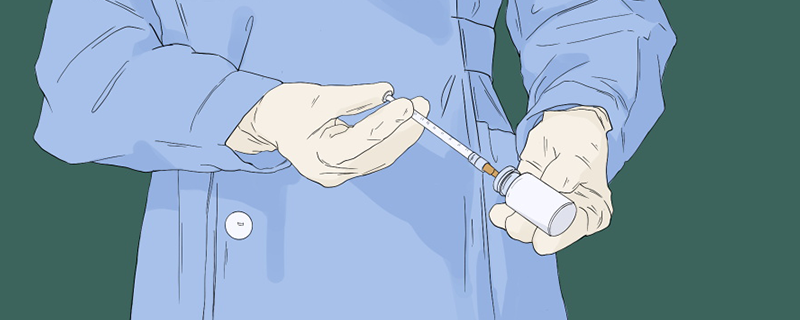
How to Administer the Hepatitis B Vaccine
Newborns must receive their first dose of the hepatitis B vaccine within 12 hours of birth, followed by second and third doses at one month and six months of age, respectively. At eight months of age, a test for hepatitis B surface antibody (anti-HBs) should be performed. If no protective antibody is detected, revaccination is recommended. Once protective antibodies are established, they typically persist for up to 18 years. After vaccination, maintain local hygiene at the injection site; avoid washing or bathing the area for three days to prevent scratching or breaking the skin at the injection site, which could lead to local infection and more serious complications. Adults who are already infected with hepatitis B—or who have recovered from prior infection and developed natural immunity—do not require vaccination.
Additional Information: Important Considerations for Hepatitis B Vaccination
1. Individuals with known allergies or hypersensitivity should exercise extreme caution when receiving the hepatitis B vaccine; those with severe allergic conditions should not receive it.
2. Vaccination should be postponed for newborns presenting with severe illness, major congenital anomalies, or extremely low birth weight.
3. Mild adverse reactions following vaccination—such as fever, nausea, or abdominal pain—are generally self-limiting and require no specific treatment. If fever becomes severe, antipyretics such as ibuprofen granules may be used appropriately.
The above outlines the recommended hepatitis B vaccination schedule and key considerations. We hope this information is helpful to you.






