


Can alcoholic cirrhosis with ascites be cured?
Feb 08, 2022
Source: Cainiu Health

Dr. Huang Shengwei
Introduction
Patients with alcoholic cirrhosis who develop ascites generally cannot achieve complete cure. The first step in managing ascites in such patients is strict abstinence from alcohol, combined with appropriate medical treatment—primarily diuretic therapy to reduce fluid retention and edema. Commonly prescribed oral diuretics include spironolactone, hydrochlorothiazide, and furosemide tablets; these are widely used and demonstrate good therapeutic efficacy.
Alcoholic cirrhosis is a relatively common form of cirrhosis, resulting from long-term, heavy alcohol consumption. Chronic and persistent alcohol-induced liver injury—progressing through hepatitis and hepatic fibrosis—ultimately leads to cirrhosis. Can ascites associated with alcoholic cirrhosis be cured? The following section addresses this question.
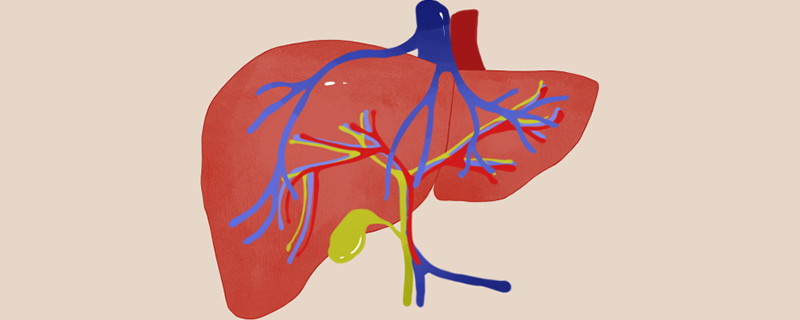
Can Ascites in Alcoholic Cirrhosis Be Cured?
In patients with alcoholic cirrhosis, ascites generally cannot be completely cured. Upon development of ascites, the first and most critical step is complete abstinence from alcohol, followed by appropriate medical treatment—typically diuretic therapy aimed at reducing edema.
For patients with mild-to-moderate ascites due to alcoholic cirrhosis, oral diuretics are commonly prescribed. Frequently used agents include spironolactone, hydrochlorothiazide, and furosemide tablets—all well-established and effective treatments.
If ascites arises secondary to hypoalbuminemia, intravenous human albumin may be administered according to the patient’s clinical condition. Alternatively, fresh frozen plasma transfusion may be provided as supportive, symptomatic therapy. Such interventions effectively elevate colloid osmotic pressure, thereby reducing ascites formation and enhancing the efficacy of diuretic therapy.
When alcoholic cirrhosis with ascites has advanced to the late stage, complete cure is no longer feasible. Management therefore focuses on supportive and symptomatic care—aimed at minimizing ascites accumulation, prolonging survival, and improving quality of life.
Patients with severe ascites often present with marked abdominal distension, bilateral lower-limb edema, oliguria, dyspnea, palpitations, and tachycardia. Diuretic and decongestive therapy typically alleviates respiratory impairment and reduces mechanical compression on the heart and lungs.
The above provides an overview of whether ascites in alcoholic cirrhosis can be cured. We hope this information proves helpful.




