


Do children experience side effects from taking Jianwei Xiaoshi Tablets?
Feb 09, 2022
Source: Cainiu Health

Dr. Ma Yan
Introduction
When taken appropriately, Jianwei Xiaoshi Tablets are generally safe for children and unlikely to cause side effects. However, long-term or excessive use may lead to adverse effects. As a traditional Chinese patent medicine, Jianwei Xiaoshi Tablets aid digestion, enhance gastric motility, and alleviate symptoms such as abdominal pain and bloating. If a child consumes an unusually large amount of food at once, taking an appropriate dose of Jianwei Xiaoshi Tablets can help support digestion.
Most people are likely familiar with Jianwei Xiaoshi Pian (a traditional Chinese medicine for promoting digestion and strengthening gastric function). It is a commonly used over-the-counter remedy for digestive support. Some individuals express concern about potential side effects while taking this medication—so what exactly are its adverse effects? Let’s explore them together.
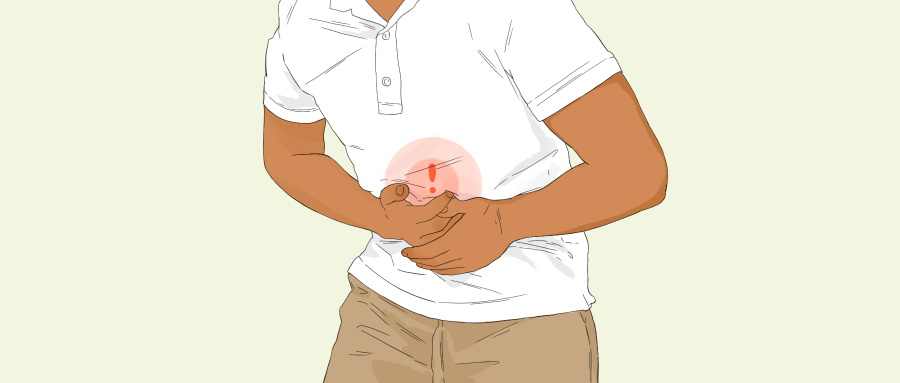
Do children experience side effects from taking Jianwei Xiaoshi Pian?
When taken appropriately, Jianwei Xiaoshi Pian generally does not cause side effects in children. However, prolonged or excessive use may lead to adverse reactions.
Jianwei Xiaoshi Pian is a traditional Chinese patent medicine that aids digestion, enhances gastric motility, and alleviates symptoms such as abdominal pain and bloating. If a child consumes an unusually large amount of food at once, a proper dose of Jianwei Xiaoshi Pian can help facilitate digestion and is typically safe. Nevertheless, long-term or excessive intake may impair normal digestive function.
When administering Jianwei Xiaoshi Pian to children, always follow medical advice and adhere strictly to the recommended dosage. Self-medicating or taking excessively high doses without professional guidance is strongly discouraged. Additionally, children known to be allergic to any ingredient in Jianwei Xiaoshi Pian must avoid it entirely, as inappropriate use could pose serious health risks.
It is advisable to foster healthy eating habits in children: encourage balanced nutrition, discourage picky eating or binge eating, promote thorough chewing and slow eating, and emphasize handwashing before meals and after using the restroom to prevent bacterial infection and reduce the risk of oral inflammation or gastrointestinal infections.
Jianwei Xiaoshi Pian contains hawthorn (Shanzha) as a primary active ingredient. Hawthorn is rich in tannic acid, which—when combined with gastric acid—can form insoluble precipitates in the stomach, potentially leading to gastric bezoars. Furthermore, when hawthorn interacts with sulfonamide antibiotics, it may decrease drug solubility, thereby increasing the risk of severe complications such as renal failure.
We hope the above information proves helpful. Wishing you good health and happiness!




