


How to Repair Mild Dental Caries
Feb 10, 2022
Source: Cainiu Health

Dr. Fu Gang
Introduction
Dental caries restoration begins with surgical removal of the decayed and infected hard dental tissues, followed by artificial restoration of the tooth’s original shape and function using a restorative material—typically via filling or other appropriate methods. Mild caries, commonly termed “shallow caries,” affects only the enamel or the cementum on the root surface. Shallow caries appears as chalky white or brown spots without cavity formation; therefore, remineralization therapy should be the first-line treatment approach.
The clinical manifestations of dental caries can be summarized as changes in tooth color, shape, and structure, as well as alterations in the patient’s subjective sensations. Clinically, carious lesions must involve actual structural loss—i.e., a cavity that is visually observable or detectable with a dental explorer. So how are mild caries treated? The following section addresses this question.
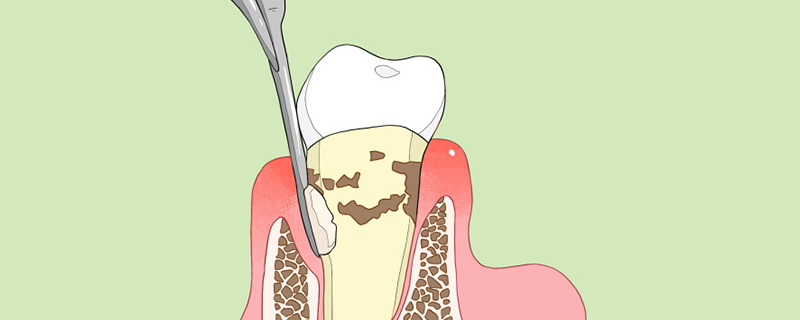
How Are Mild Caries Treated?
Dental caries treatment begins with surgical removal of the infected and demineralized hard dental tissues, followed by restoration of the tooth’s original morphology and function using restorative materials—either via direct filling or other appropriate methods. Mild caries—commonly termed “shallow caries”—affect only the enamel or cementum on the root surface. Such lesions typically appear as chalky white or brown spots without cavitation and are best managed initially through remineralization therapy, combined with effective plaque control. If a cavity has already formed, treatment decisions—including whether to pursue non-surgical or surgical intervention—depend on multiple factors such as the cavity’s location, the functional role of the affected tooth, and its anticipated longevity in the oral cavity. For instance, shallow cervical caries that have progressed into dentin should be managed as moderate (i.e., “medium-depth”) caries.
Knowledge Extension: Post-Filling Care Instructions
1. Brushing technique: After restoration, brush gently around the restored tooth. Avoid vigorous brushing directly over the restoration site. If a resin-based composite material was used, avoid brushing that specific tooth until the following day to prevent premature dislodgement of the material.
2. Cautious eating: Although the restored tooth may appear structurally intact, severely carious teeth often exhibit significant loss of tooth substance and compromised masticatory function. Therefore, avoid chewing excessively hard foods—especially during the initial post-restoration period—and refrain from using the restored tooth for chewing whenever possible.
3. Dietary considerations: Consume foods and beverages at moderate temperatures. Extreme thermal stimuli (very hot or very cold) may provoke sensitivity or pain. As restorative materials require time to fully set, avoid eating for at least two hours after the procedure. After two hours, soft, easily chewable foods—such as milk, bread, noodles, congee, soup, or soft rice—are recommended.
4. Special protection for severely damaged teeth: Teeth with extensive carious destruction inherently possess diminished structural integrity—even after restoration—and remain vulnerable to fracture under normal occlusal forces. In such cases, placement of a full-coverage crown is strongly advised to protect the tooth.
5. Monitoring post-restorative symptoms: Mild discomfort following restoration is common and usually transient. Observe whether symptoms resolve spontaneously. However, if discomfort persists, worsens, or evolves into provoked pain (e.g., triggered by thermal or mechanical stimuli) or spontaneous pain, promptly consult a dentist to identify and address the underlying cause.
The above outlines the management of mild dental caries. We hope this information proves helpful to you.



