


Does dental calculus affect teeth?
Feb 11, 2022
Source: Cainiu Health

Dr. Zhang Liwen
Introduction
Because dental calculus often harbors uncalcified plaque on its surface, it can irritate the gingiva and induce inflammation. Moreover, calculus itself has a rough surface that mechanically irritates the gingiva, and its porous structure readily adsorbs large quantities of bacterial toxins. It is also a major etiological factor in gingival bleeding, deepening of periodontal pockets, alveolar bone resorption, and progression of periodontal disease.
Dental calculus—also known as tartar—commonly forms on tooth surfaces near the openings of salivary glands, such as the lingual surfaces of the lower anterior teeth, the buccal surfaces of the upper posterior teeth, the cervical regions of teeth, and other tooth surfaces inaccessible to oral mucosal movement. But does dental calculus affect teeth? The following section addresses this question.
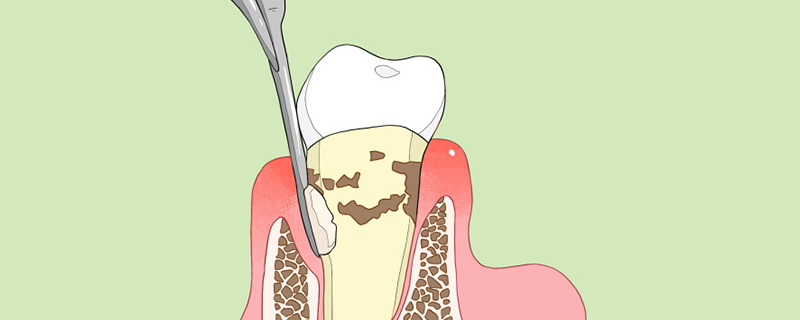
Does dental calculus affect teeth?
Dental calculus is a calcified or partially calcified deposit composed of dental plaque and soft debris that accumulates on tooth surfaces or restorations. It forms gradually through mineral deposition from calcium salts present in saliva or gingival crevicular fluid and, once formed, is difficult to remove. Based on its location, dental calculus is classified as supragingival (above the gumline) or subgingival (below the gumline).
The rate of calculus formation varies among individuals—and even differs across teeth within the same individual—depending on factors such as systemic metabolism, salivary composition, gingival crevicular fluid composition, amount of dental plaque, and dietary habits.
Because uncalcified plaque frequently forms on the surface of dental calculus, it can irritate the gingiva and trigger inflammation. Moreover, calculus itself has a rough texture, causing mechanical irritation to the gums. Its porous structure also readily adsorbs large quantities of bacterial toxins. Additionally, calculus significantly impedes and reduces the effectiveness of toothbrushing, and serves as a major etiological factor in gingival bleeding, deepening of periodontal pockets, alveolar bone resorption, and progression of periodontal disease.
Knowledge Extension: How is dental calculus treated?
In modern dentistry, the primary treatment for dental calculus is scaling. Scaling generally comprises two components: ultrasonic scaling for supragingival calculus and subgingival scaling combined with root planing for subgingival deposits. More advanced cases may require additional periodontal surgical procedures. All these interventions aim to effectively and thoroughly remove calculus, smooth the root surfaces, enhance gingival attachment levels, and reduce the likelihood of calculus re-accumulation. Furthermore, maintaining consistent oral hygiene and scheduling regular professional dental examinations are essential.
The above outlines whether and how dental calculus affects teeth. We hope this information proves helpful to you.



