


Can pregnancy cause shortness of breath?
Feb 11, 2022
Source: Cainiu Health
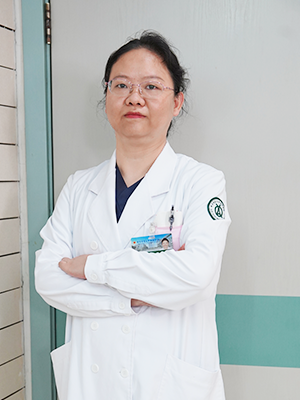
Dr. Cao Ting
Introduction
Shortness of breath may occur during pregnancy. This can result from abdominal distension, which elevates the diaphragm and reduces lung capacity, leading to dyspnea. It may also trigger bronchial asthma exacerbations, manifesting as coughing, chest tightness, and worsening wheezing. Management includes supplemental oxygen, inhaled corticosteroids via nebulization to reduce airway inflammation, and encouraging the patient to remain relaxed and fully cooperate with medical treatment.
It is commonly said that the first trimester of pregnancy is the most critical period for expectant mothers, as both maternal physiological changes and fetal developmental instability may lead to symptoms such as vaginal bleeding—posing significant risks to the fetus. In many cases, such bleeding signals a threatened miscarriage. Can shortness of breath occur during early pregnancy?

Can pregnancy cause shortness of breath?
Shortness of breath may occasionally occur during pregnancy. Abdominal distension can elevate the diaphragm, thereby reducing lung capacity and leading to dyspnea. Additionally, pregnancy may trigger bronchial asthma exacerbations, manifesting as coughing, chest tightness, and worsening wheezing. Management includes supplemental oxygen, inhaled corticosteroids via nebulization to reduce airway inflammation, and encouraging the patient to remain calm and fully cooperate with medical treatment.
In daily life, nutritional intake should be enhanced, focusing on high-quality, protein-rich foods. Avoid exposure to cold temperatures and ensure adequate warmth. If specific allergens have been identified, they should be avoided to prevent asthma exacerbation.
During early pregnancy, it is advisable to prioritize rest, avoid overexertion, increase nutritional intake—especially protein-rich foods such as eggs, lean meat, milk, and soy products—and abstain from sexual intercourse. Oral folic acid supplementation is recommended to prevent fetal neural tube defects.
A complete blood count (CBC) is advised, as anemia may be the underlying cause. If anemia is confirmed, treatment with Ejiao syrup (a traditional Chinese medicine preparation) may be considered. Concurrently, dietary intake of foods rich in “hematopoietic nutrients”—including iron, copper, folate, vitamin B12, and vitamin C—should be increased. Examples include pork liver, egg yolks, lean meat, dairy products, fish, shrimp, and shellfish.
Cardiac evaluation is also recommended. Lifestyle modifications include minimizing intake of irritant foods, avoiding greasy and pungent or “fishy” foods, preventing fatigue, consuming ample fruits and vegetables, and actively supplementing vitamin C.
We hope the above information proves helpful. Wishing you a healthy and joyful life!






