Can rheumatoid arthritis be cured?
Feb 16, 2022
Source: Cainiu Health

Dr. Lin Yunfei
Introduction
Rheumatoid arthritis (RA) is currently incurable; however, with advances in medical science, treatment options for RA continue to evolve. With proper, regular treatment under the guidance of a qualified physician, patients can achieve excellent disease control and sustain long-term clinical remission.
“Rheumatoid disease” commonly refers to rheumatoid arthritis (RA). RA is a chronic, systemic inflammatory disorder of unknown etiology, primarily characterized by inflammatory synovitis. So, can rheumatoid arthritis be cured? The following addresses this question.
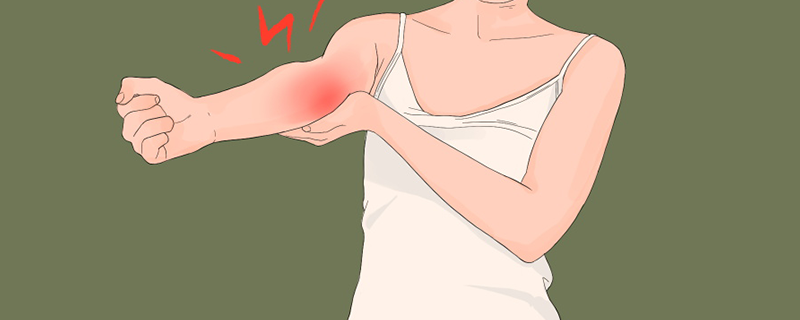
Can Rheumatoid Arthritis Be Cured?
Currently, rheumatoid arthritis cannot be cured. However, with continuous advances in medical science, treatment options for RA are constantly evolving. With proper, regular, and standardized therapy under the guidance of a qualified physician, patients can achieve excellent disease control and sustain long-term clinical remission. Treating RA does not mean the condition is “cured” simply because symptoms improve or laboratory markers decline—patients must adhere to long-term medication regimens.
Even when symptoms visibly subside, underlying bone destruction may still progress. Therefore, consistent, ongoing treatment remains the optimal therapeutic strategy for patients. During treatment, patients should attend regular follow-up visits and undergo monitoring of immunological parameters—including rheumatoid factor (RF), erythrocyte sedimentation rate (ESR), C-reactive protein (CRP), and anti-cyclic citrullinated peptide (anti-CCP) antibodies—to track disease activity and progression.
Knowledge Extension: Dietary Considerations for Rheumatoid Arthritis
1. Ensure Adequate Calcium Intake: Older patients often experience significant calcium loss, and prolonged disease duration may contribute to anxiety and depression. Consuming foods rich in calcium and magnesium can help alleviate these symptoms and reduce anxiety-related insomnia. Recommended foods include milk, shrimp skins, laver (seaweed), pork ribs, spinach, and Chinese cabbage.
2. Limit High-Fat Foods: Fat metabolism generates numerous metabolites that irritate joints and exacerbate joint discomfort. Patients should therefore restrict intake of high-fat foods—especially animal fats. Opt for skimmed milk instead of whole milk, avoid fatty meats, and prepare meals with minimal oil (e.g., light stir-fries and low-fat soups).
3. Moderate Seafood Consumption: Patients should avoid excessive intake of seafood—including kelp, sea fish, sea cucumber, shrimp, crab, and shellfish—as these may elevate serum uric acid levels and potentially worsen joint pain.
4. Reduce Acidic and Salty Foods: Overconsumption of acidic foods—such as peanuts, white wine, refined sugar, duck, fish, red meat, and eggs—may aggravate arthritic symptoms. Similarly, excessive intake of salty foods—including pickled vegetables, salted eggs, and salted fish—increases sodium load and may exacerbate joint inflammation.
The above outlines whether rheumatoid arthritis can be cured. We hope this information is helpful to you.