


What should I do for dry, itchy feet?
Feb 19, 2022
Source: Cainiu Health

Dr. Li Ruizhi
Introduction
What to do for dry, itchy feet: If a patient experiences dryness and itching of the feet, treatment should be tailored according to the individual’s specific condition, as follows:
First, if the symptoms are due solely to simple xerosis (dry skin), this is typically caused by diminished sebaceous gland function.
Second, the symptoms may result from chronic eczema, in which case topical corticosteroid ointments should be applied under a physician’s guidance.
Foot sweating is less noticeable in winter but tends to become significantly more pronounced during summer. Excessive foot sweating can be either physiological (normal) or pathological (disease-related). Regardless of the underlying cause, excessive foot sweating warrants attention. So, what should you do if your feet feel dry and itchy? Let’s explore this together.
What to Do for Dry, Itchy Feet
Management of dry, itchy feet depends on the specific underlying cause. The following approaches are recommended:
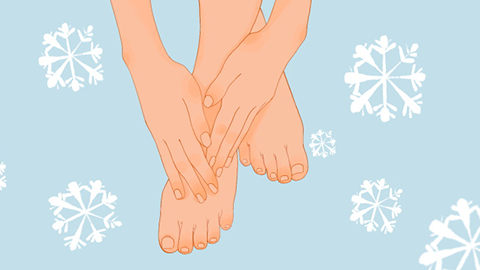
First, if the dryness and itching result solely from skin dryness—often due to diminished sebaceous gland function and reduced sebum production, leading to decreased local oil and moisture content—this condition is generally benign and requires no specific treatment. Patients are advised to soak their feet nightly in warm water, followed by application of a moisturizing cream (e.g., vitamin E cream), which can effectively alleviate symptoms.
Second, chronic eczema—a type of allergic reaction—may also cause dry, itchy feet. In such cases, topical corticosteroid creams (e.g., mometasone furoate cream or halometasone cream) should be applied under medical supervision.
Third, fungal infection may be responsible—particularly when dryness and itching occur on the heels, suggesting keratotic, fissured tinea pedis (athlete’s foot). A definitive diagnosis requires microscopic examination at a hospital. Once confirmed, antifungal therapy should be initiated under medical guidance. Oral antifungals (e.g., itraconazole capsules or terbinafine hydrochloride tablets) may be prescribed, alongside topical agents such as naftifine-ketoconazole cream or sertaconazole nitrate cream.
We hope this information is helpful to you.



