


Is anemia related to menstruation?
Feb 24, 2022
Source: Cainiu Health

Dr. Liu Guoqiang
Introduction
For the vast majority of women, anemia is closely associated with menstruation. Irregular menstrual cycles or excessive menstrual bleeding can lead to iron-deficiency anemia; therefore, there is a definite link between anemia and menstruation. If anemia results from abnormal menstruation, clinicians should promptly perform a complete blood count (CBC) test.
Among all patients with anemia, the majority are women. Women experience menstruation monthly, during which bleeding occurs. So, is there a connection between anemia and menstruation? Below, we address this question.
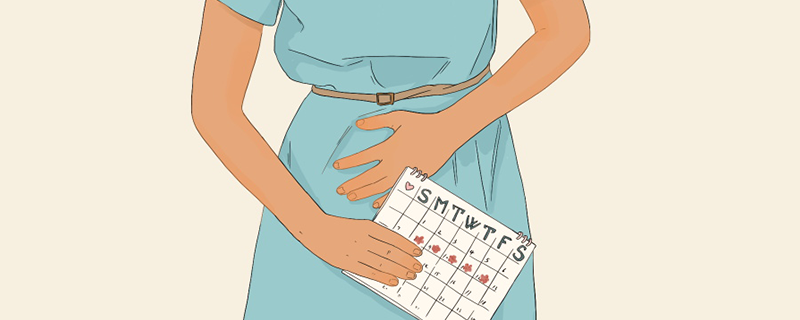
Is there a link between anemia and menstruation?
For most women, anemia is indeed associated with menstruation. Irregular menstrual cycles or abnormally heavy menstrual bleeding can lead to iron-deficiency anemia; thus, a definite relationship exists between anemia and menstruation.
If anemia results from abnormal menstruation, clinicians should promptly perform a complete blood count (CBC) to determine hemoglobin concentration and assess the severity of anemia. Additionally, such patients require menstrual regulation therapy—using medications to normalize hormonal balance and control excessive bleeding—which plays a crucial role in treating anemia. Furthermore, patients should take oral iron supplements (e.g., ferrous sulfate) and folic acid tablets to replenish hematopoietic raw materials and alleviate anemic symptoms.
Numerous conditions can cause menorrhagia (excessively heavy menstrual bleeding), including endometritis and ovarian disorders, both of which may manifest as menstrual irregularities and increased menstrual flow. Prompt treatment is essential to prevent chronic anemia resulting from prolonged heavy menstruation. Normal menstrual blood loss ranges from 30 to 50 mL per cycle; volumes exceeding 50 mL are considered menorrhagia.
The above outlines the relationship between anemia and menstruation. We hope this information is helpful to you.




