


Can blood tests detect HIV/AIDS?
Feb 24, 2022
Source: Cainiu Health

Dr. Wang Jihong
Introduction
Can HIV be detected through blood testing? Yes, blood testing is indeed an effective method for diagnosing HIV infection, as the standard diagnostic procedure for HIV involves drawing blood to test for HIV antibodies. To screen for HIV, a specific blood test targeting HIV must be performed. Routine blood tests—such as complete blood count (CBC), liver and kidney function tests, blood glucose, and lipid profile—do not detect HIV.
AIDS (acquired immunodeficiency syndrome) is a severe, chronic, progressive infectious disease caused by the human immunodeficiency virus (HIV). After entering the human body, HIV attacks and destroys the immune system, leading to multiple incurable infections and malignancies, ultimately resulting in death. So, can AIDS be detected through blood testing? Let’s explore this further.
Can AIDS be detected via blood testing?
Yes, blood testing is indeed an effective method for diagnosing AIDS. In fact, the standard diagnostic procedure for AIDS involves drawing blood to test for HIV antibodies. If you suspect HIV infection, specific blood tests targeting HIV antibodies must be performed. Even extensive testing—including complete blood count (CBC), liver and kidney function tests, blood glucose, and lipid profile—cannot confirm or rule out HIV infection unless the dedicated HIV antibody test is conducted.
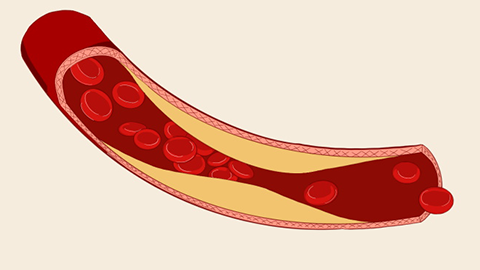
First, it is essential to understand that AIDS is a transmissible disease primarily spread through three routes: unprotected sexual contact, exposure to infected blood or blood products, and mother-to-child (vertical) transmission. Therefore, individuals with potential high-risk exposures should remain vigilant about possible HIV infection. If initial HIV antibody screening yields a positive result, confirmatory testing must follow. A positive confirmatory test establishes a definitive diagnosis of HIV infection, warranting prompt initiation of treatment.
How to prevent HIV/AIDS
1. Maintain personal integrity and practice safe sex—refrain from prostitution, solicitation, and other high-risk sexual behaviors. Avoid illicit drug use and never share needles or syringes.
2. Do not share personal hygiene items such as razors or toothbrushes. Minimize direct contact with others’ bodily fluids or blood. Promptly disinfect any objects contaminated by another person’s blood or bodily fluids.
3. Use condoms correctly and consistently—this reduces the risk of HIV transmission by approximately 80%. Avoid transfusions or use of blood products unless they have been rigorously screened for HIV antibodies.
4. Practice safe sexual habits. The greater the number of sexual partners—and the more frequent the sexual encounters—the higher the risk of HIV infection. Having a mutually monogamous, stable sexual relationship significantly lowers both the individual risk of acquiring HIV and the likelihood of transmitting the virus.
We hope the above information is helpful to you.





