


Is HPV syphilis or AIDS?
May 18, 2026
Source: Cainiu Health

Dr. Liu Wenmin
Introduction
In general, HPV is neither syphilis nor AIDS. HPV stands for human papillomavirus. If you experience any discomfort or symptoms, it is advisable to seek medical attention promptly. Routinely, vaccination against HPV should be initiated as early as possible—the optimal age for vaccination is 9–14 years. Even after vaccination, regular screening for HPV-related conditions remains essential. Additionally, maintaining a single sexual partner and practicing proper protection are strongly recommended.
Under normal circumstances, HPV is neither syphilis nor AIDS. HPV stands for human papillomavirus. If you experience any discomfort or symptoms, it is advisable to seek medical attention promptly. A detailed analysis follows:
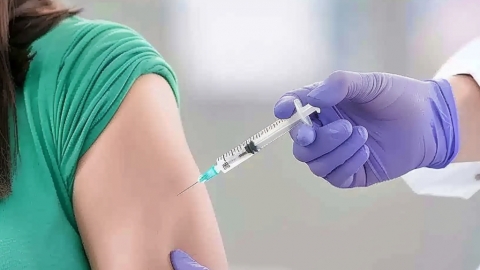
Syphilis is caused by the bacterium *Treponema pallidum* and can affect virtually any organ system in the body. AIDS results from infection with the human immunodeficiency virus (HIV), which progressively damages the immune system. In contrast, human papillomavirus primarily infects skin and mucosal tissues. Over 200 HPV genotypes have been identified to date; most infections are asymptomatic and are naturally cleared by the body’s immune system within 1–2 years. However, persistent infection with certain high-risk HPV subtypes may lead to precancerous or cancerous lesions—most notably in the cervix, but also in other anogenital and oropharyngeal sites. HPV is mainly transmitted through sexual contact, but can also spread via direct skin-to-skin or mucosa-to-mucosa contact, or indirectly through contact with contaminated objects. Mother-to-child transmission is relatively rare.
Routine prevention includes timely vaccination against HPV—the optimal age for vaccination is 9–14 years. Even after vaccination, regular cervical cancer screening (e.g., Pap smears and/or HPV testing) remains essential. Additional preventive measures include maintaining a mutually monogamous relationship, consistently using barrier protection during sexual activity, practicing good genital hygiene, washing and drying undergarments separately, maintaining regular sleep patterns to bolster immunity, avoiding early initiation of sexual activity, and seeking prompt medical evaluation for any unexplained physical abnormalities.



