


Can lipomas be cured with traditional Chinese medicine?
Mar 02, 2022
Source: Cainiu Health
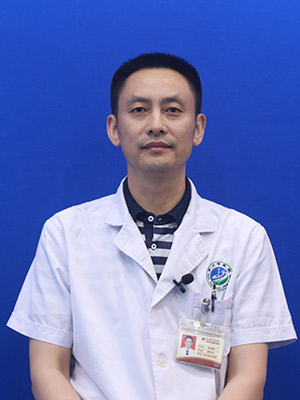
Dr. Zhang Junfeng
Introduction
Lipomas are benign lesions that commonly occur in subcutaneous tissues on the body surface, although they may also develop in internal organs—for example, pelvic lipomas. Generally, lipomas do not require treatment with traditional Chinese medicine (TCM), as TCM is unlikely to yield significant therapeutic effects. The primary and most effective treatment for lipomas is surgical excision.
Lipomas are common benign tumors—and, in many cases, they are directly linked to dietary habits. Many individuals pay insufficient attention to their daily diet, indulging excessively in rich or high-calorie foods without restraint. Over time, such eating patterns may contribute to the development of lipomas. So, can traditional Chinese medicine (TCM) effectively treat lipomas?

Can Traditional Chinese Medicine Cure Lipomas?
Lipomas are, by nature, benign lesions. They most commonly occur in subcutaneous tissues on the body surface, though they may also develop in internal organs—for example, pelvic lipomas.
In general, lipomas do not require treatment with TCM, and herbal therapy is unlikely to yield significant therapeutic benefit. The primary and most effective treatment for lipomas remains surgical excision. Currently, no specific TCM or Western medication has been proven capable of eliminating lipomas. Moreover, injectable lipolytic agents (“fat-dissolving injections”) are not recommended due to their relatively high risk—such treatments may cause fat necrosis and increase the likelihood of wound infection.
For small, asymptomatic lipomas, regular monitoring is usually sufficient—for instance, ultrasound examinations every three to six months to assess for changes in size or characteristics. Concurrently, adopting a low-fat, low-cholesterol diet and minimizing intake of spicy or irritating foods may be beneficial.
If, during routine follow-up, a lipoma shows rapid growth or is accompanied by other concerning symptoms, surgical removal should be considered. Postoperative histopathological examination will confirm the diagnosis. Most such procedures can be performed under local anesthesia, often as outpatient surgery, without requiring hospital admission.
Beyond pharmacologic interventions, maintaining a positive mental outlook is critically important: optimism and emotional well-being significantly support overall health and may aid in managing lipomas.
We hope the above information is helpful. Wishing you good health and happiness!





