


Which foods, when consumed with pomegranate, are more likely to trigger allergic reactions?
Mar 02, 2022
Source: Cainiu Health

Dr. Lu Chaohui
Introduction
Pomegranates are rich in various tannins, while shrimp contain high levels of calcium. When these two foods are consumed together, their components may interact adversely, irritating the gastrointestinal tract and impairing digestion. Additionally, allergic reactions such as skin redness, itching, and swelling may occur. Therefore, pomegranates and shrimp should not be eaten together.
Pomegranates are rich in numerous nutrients, including vitamin C, B vitamins, organic acids, sugars, proteins, fats, and minerals such as calcium, phosphorus, and potassium. They help strengthen the body, cleanse the gastrointestinal tract, and support vascular health. So, which foods—when consumed together with pomegranates—may trigger allergic reactions? Below, we address this question.
Foods That May Cause Allergic Reactions When Consumed with Pomegranates
Consuming pomegranates together with shrimp or tomatoes may increase the risk of allergic reactions due to incompatible food components. Specific explanations follow:
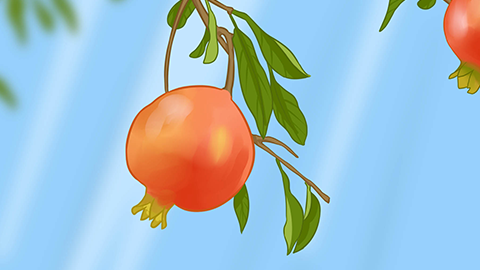
1. Pomegranates contain abundant tannic acid, whereas shrimp are rich in calcium. When these two components interact, adverse reactions may occur. Consumption of this combination can irritate the gastrointestinal tract and impair digestion. Additionally, it may provoke allergic symptoms such as skin redness, itching, and swelling. Therefore, pomegranates and shrimp should not be eaten together.
2. Tomatoes contain relatively high levels of phytic acid and vitamins; pomegranates, meanwhile, are rich in minerals. Interaction between these components may also trigger adverse reactions and allergic responses. Moreover, pomegranates have a relatively high sugar content; excessive intake may promote internal heat and phlegm production and gradually elevate blood glucose levels.
Health Benefits of Eating Pomegranates
1. Promotes Digestion: Pomegranates contain various vitamins, proteins, dietary fiber, organic acids, fats, iron, and other nutrients. Regular consumption helps replenish nutritional deficiencies, enhances immune function and resistance, and supports digestive health. The dietary fiber in pomegranates stimulates gastrointestinal motility, alleviates constipation caused by food stagnation, and improves appetite—though moderation is advised.
2. Enhances Skin Health and Appearance: Pomegranates are rich in vitamin C and punicalagin (a potent polyphenol and anthocyanin found in red pomegranates). Vitamin C exerts skin-brightening and spot-fading effects by inhibiting tyrosinase activity and melanin synthesis, thereby reducing melanin deposition and lightening existing pigmentation. Furthermore, punicalagin neutralizes disease- and aging-promoting oxygen free radicals in the body, combats inflammation, and offers anti-aging benefits.
3. Astringent and Anti-Diarrheal Effects: Pomegranates possess pronounced astringent properties that help tighten intestinal tissues and control bleeding. They contain malic acid, tannins, alkaloids, and other compounds with significant antibacterial activity, effectively inhibiting multiple pathogenic bacteria. These components also reduce intestinal mucosal secretions, making pomegranates beneficial for managing diarrhea, dysentery, and rectal bleeding. Additionally, pomegranates contain substantial plant-derived phytoestrogens; moderate consumption may help regulate endocrine function.
We hope the above information is helpful to you.





