


Can people with eczema drink black tea?
Mar 03, 2022
Source: Cainiu Health

Dr. Li Ruizhi
Introduction
In general, patients with eczema may drink black tea in moderation; however, they should avoid strong tea. Additionally, they should strictly avoid other spicy and irritating foods—such as chili peppers, alcohol, and coffee—as well as external irritants, including excessively hot washing and vigorous scratching. Itching is a common symptom frequently accompanying eczema.
Eczema is a common skin condition familiar to many. Not only can it affect one’s appearance, but it may also compromise overall health—especially in areas not readily visible. Therefore, it is essential to recognize and take seriously the potential harms associated with eczema. So, can individuals with eczema drink black tea? Let’s explore this further.
Can people with eczema drink black tea?
Generally speaking, individuals with eczema may consume black tea in moderation. However, they should avoid strong or highly concentrated tea. In addition, it is advisable to steer clear of other spicy or irritating foods—such as chili peppers, alcohol, and coffee—as well as external irritants like excessively hot water during bathing or vigorous scratching. Itching is a common symptom among eczema patients; thus, pharmacological treatment is often necessary, including both systemic and topical therapies. Systemic medications primarily include antihistamines, such as levocetirizine, diphenhydramine, and loratadine.
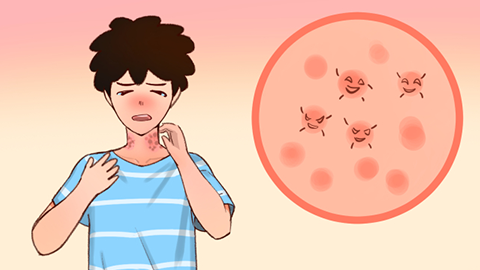
Moreover, adjunctive treatments—such as calcium supplements, vitamin C, and sodium thiosulfate—may help control symptoms. For severe or widespread eczema, systemic corticosteroids may be required. In addition to systemic therapy, topical medications should also be incorporated into management; the specific choice of topical agent depends on the clinical presentation and type of skin lesions.
We hope the above information is helpful to you.




