


Can high blood pressure cause angina pectoris?
Mar 07, 2022
Source: Cainiu Health
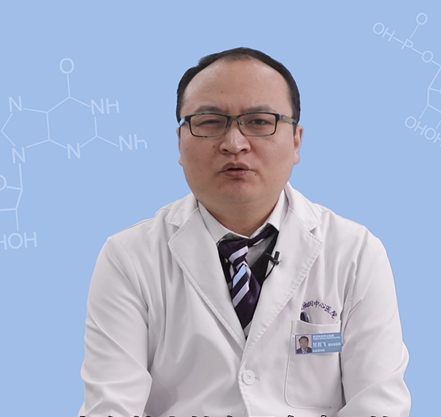
Dr. Liu Xiangfei
Introduction
Chronically elevated blood pressure can cause angina pectoris. When blood pressure is excessively high, the resistance against which the heart must pump blood also increases, thereby requiring the heart to expend more energy during systole. If coronary artery blood supply is inadequate under these conditions, myocardial ischemia may result, leading to the clinical symptoms of angina pectoris.
Angina pectoris is a clinical syndrome caused by inadequate coronary artery blood supply, resulting in acute, transient myocardial ischemia and hypoxia. Its primary manifestation is episodic chest pain or discomfort. Does hypertension cause angina? The following section addresses this question.

Does hypertension cause angina?
Yes, long-standing hypertension can lead to angina. When blood pressure remains elevated, systemic vascular resistance increases, thereby raising the afterload against which the heart must eject blood. Consequently, the heart requires greater energy and oxygen consumption during systole. If coronary artery perfusion is insufficient under these conditions, myocardial ischemia may ensue, triggering the characteristic symptoms of angina. Moreover, chronic hypertension impairs myocardial contractility over time. As cardiac contractile function declines, the heart becomes less efficient at pumping blood into the aorta. This reduction in aortic blood volume indirectly diminishes coronary arterial perfusion, ultimately compromising oxygen delivery to cardiomyocytes and precipitating myocardial ischemia. Thus, hypertension is indeed a contributing factor to angina.
Patients are advised to strictly limit dietary sodium intake, ideally keeping daily sodium consumption below 6 grams. Additionally, patients should consume more potassium-rich fresh fruits and vegetables, such as mangoes, bananas, potatoes, tomatoes, and kelp.
The above outlines whether hypertension can cause angina. We hope this information is helpful to you.





