


What should I do about skin itching caused by liver cancer?
Mar 07, 2022
Source: Cainiu Health

Dr. Wu Xuehui
Introduction
First, prioritize active management of abnormal liver function—specifically, selecting hepatoprotective medications.
Second, for patients with hepatocellular carcinoma who develop obstructive jaundice, bile stasis may occur; thus, percutaneous transhepatic biliary drainage (PTBD) should be considered.
Third, assess for potential allergic factors.
Fourth, patients should bathe regularly and frequently change undergarments in daily life.
Hepatocellular carcinoma (HCC) is a life-threatening disease, primarily caused by unhealthy lifestyle habits or prolonged improper dietary practices. In fact, early-stage HCC often presents with few overt symptoms; skin pruritus (itching) in HCC patients typically occurs in advanced stages. So, what should be done when HCC patients experience skin itching? Let’s explore this further.
How to Manage Skin Pruritus in Hepatocellular Carcinoma
Management of skin pruritus in HCC patients involves several key approaches:
First, if the patient has severe hepatic dysfunction leading to toxin accumulation and subsequent pruritus, the primary strategy is to actively address the liver dysfunction—namely, by administering hepatoprotective agents such as polyene phosphatidylcholine or reduced glutathione. Drug selection should be individualized based on the patient’s specific clinical condition.
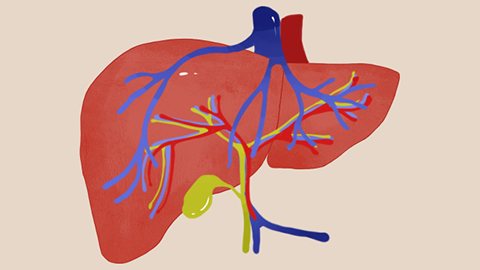
Second, if obstructive jaundice is present—causing bile stasis and deposition of bile salts in the skin—pruritus may result. In such cases, choleretic and antipruritic medications—including ursodeoxycholic acid and ademetionine (S-adenosyl-L-methionine disulfate tosylate)—are commonly used. If pharmacological therapy proves ineffective, percutaneous transhepatic biliary drainage (PTBD) may be considered.
Third, potential allergic factors must be carefully evaluated. If allergy is suspected, antihistamines—such as cetirizine—may be prescribed.
Fourth, appropriate nursing care is essential for HCC patients experiencing pruritus. Patients should bathe regularly and change undergarments frequently to maintain skin cleanliness and dryness. Adequate sleep is crucial, and patients must avoid excessive physical exertion, stress, and anxiety.
We hope the above information is helpful to you.





