


How to Relieve Headaches Caused by Caffeine Withdrawal
Mar 15, 2022
Source: Cainiu Health
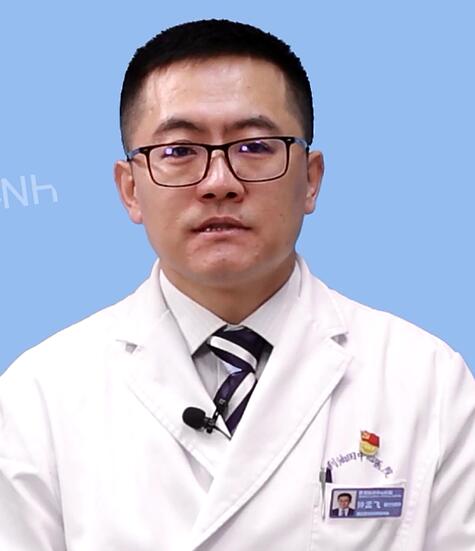
Dr. Zhong Mengfei
Introduction
Caffeine withdrawal headaches can typically be relieved through rest, local massage, and medication. These headaches primarily occur because coffee contains caffeine, a stimulant that affects the central nervous system of the brain. Prolonged coffee consumption can lead to caffeine dependence; abruptly stopping coffee intake may trigger withdrawal syndrome, manifesting as headache.
Coffee—a beverage renowned for its rich aroma and stimulating, alertness-enhancing effects—is widely popular across the globe. Among its components,

How to Alleviate Headaches Caused by Caffeine Withdrawal
Headaches resulting from caffeine withdrawal can generally be relieved through rest, localized massage, and medication. Such headaches primarily occur because coffee contains caffeine, a stimulant that acts on the central nervous system. Prolonged coffee consumption may lead to caffeine dependence; abruptly discontinuing coffee intake can therefore trigger withdrawal symptoms—including headache.
Adequate rest is essential. Playing soothing music to help fully relax the nervous system—and taking a nap lasting 30 to 60 minutes—can significantly aid in relieving and treating the headache.
Localized massage and cold compresses are also effective. Patients may gently massage their temples and forehead with their index fingers, and apply a cold towel to the forehead for noticeable relief.
If symptoms persist despite these measures, patients may take over-the-counter analgesics and antipyretics—including nonsteroidal anti-inflammatory drugs (NSAIDs) such as acetaminophen or ibuprofen—to alleviate headache symptoms.
Individuals dependent on caffeine should gradually reduce both the frequency and concentration of coffee consumption, as well as the total volume ingested, to allow the body time to adapt and thereby prevent caffeine withdrawal reactions.
The above outlines strategies for alleviating headaches associated with caffeine withdrawal. We hope this information proves helpful to you.






