How is advanced Parkinson’s disease treated?
Mar 15, 2022
Source: Cainiu Health
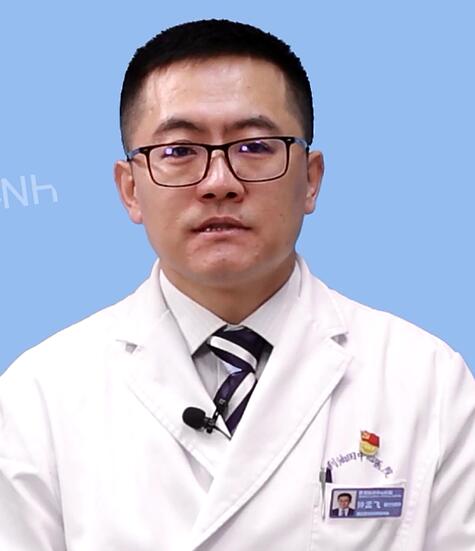
Dr. Zhong Mengfei
Introduction
1. Pharmacological treatment: For patients experiencing motor complications—such as motor fluctuations and dyskinesias—treatment may involve adjusting the frequency of dosing, drug dosage, and drug formulation. Optimized combination therapy may include long-half-life dopamine receptor agonists and catechol-O-methyltransferase (COMT) inhibitors.
2. Surgical treatment: Surgical options include lesioning procedures (neuroablation) and deep brain stimulation (DBS).
Parkinson’s disease is a common neurodegenerative disorder among middle-aged and elderly individuals, also known as “paralysis agitans” or “shaking palsy.” Although medical advancements continue to progress, Parkinson’s disease remains incurable. Current management focuses on symptom control through pharmacotherapy and supportive lifestyle care. So, how is advanced-stage Parkinson’s disease treated? Let’s explore this further.
How Is Advanced-Stage Parkinson’s Disease Treated?
1. Pharmacological Treatment
For patients experiencing motor complications—such as motor fluctuations and dyskinesias—treatment strategies include adjusting the frequency and dosage of medications, switching to alternative formulations, or optimizing combination therapy. Options may include long-half-life dopamine receptor agonists and catechol-O-methyltransferase (COMT) inhibitors. If motor complications arise secondary to Parkinson’s disease itself, symptomatic treatment is indicated. Conversely, if they result from anti-Parkinsonian medications, gradual dose reduction or discontinuation of the offending agents may be necessary to alleviate clinical symptoms.
2. Surgical Treatment
Surgical intervention is another option for patients with advanced Parkinson’s disease. Common procedures include lesioning surgery (neuroablation) and deep brain stimulation (DBS). Among these, DBS is relatively minimally invasive and safe, making it the preferred surgical approach. It involves implanting electrodes to deliver continuous electrical stimulation to specific brain nuclei, significantly improving tremor and rigidity while enhancing overall quality of life. Although medication remains necessary postoperatively, DBS typically allows for reduced drug dosages.
We hope the above information is helpful to you.