


Symptoms of Coagulation Disorders
Mar 22, 2022
Source: Cainiu Health

Dr. Liu Guoqiang
Introduction
Hereditary coagulation disorders typically involve a deficiency of a single clotting factor and often present with bleeding symptoms during infancy or early childhood. A family history is commonly present. The most frequent acquired cause is liver disease—such as severe hepatitis, cirrhosis, or even hepatocellular carcinoma—all of which can impair coagulation function. Additionally, certain medications—including warfarin—can affect coagulation. In some pediatric cases, accidental ingestion of rodenticides (e.g., anticoagulant rat poisons) may also lead to coagulopathy.
A healthy body possesses normal blood coagulation capacity. When injuries occur in certain areas, the body can effectively initiate clotting to prevent uncontrolled local bleeding. So, what are the symptoms of coagulation disorders? Below, we address this question.
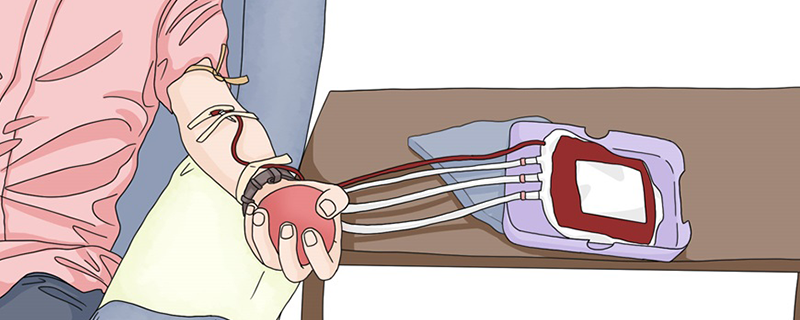
Symptoms of Coagulation Disorders
Coagulation disorders are broadly classified into two categories: hereditary and acquired. Hereditary coagulation disorders typically involve deficiency of a single clotting factor and often manifest with bleeding symptoms during infancy or early childhood; a family history is commonly present. Acquired coagulation disorders frequently result from liver disease—such as severe hepatitis, cirrhosis, or even hepatocellular carcinoma—all of which impair coagulation function. Certain medications—including warfarin—can also interfere with normal coagulation. Additionally, accidental ingestion of rodenticides (e.g., superwarfarin-type anticoagulant poisons) by children may lead to coagulation dysfunction.
Coagulation disorders encompass thrombocytopenia and deficiencies in clotting factors, resulting in both excessive bleeding and difficulty achieving hemostasis.
Initial evaluation should include complete blood count (CBC) and standard coagulation tests (e.g., PT, APTT, fibrinogen, INR). Further investigations should include liver function tests and abdominal color Doppler ultrasonography. A detailed history regarding potential exposure to illicit drugs or toxic substances must be obtained to identify the underlying cause of the coagulation disorder.
Treatment should be tailored to the specific etiology. For example, patients with hemophilia benefit from replacement therapy using plasma-derived or recombinant clotting factors. Vitamin K administration and fresh frozen plasma transfusion are indicated for anticoagulant rodenticide poisoning.
The above outlines the key symptoms and considerations related to coagulation disorders. We hope this information is helpful to you.






