How does coagulation dysfunction affect newborns?
Jul 16, 2025
Source: Cainiu Health

Dr. Zhou Xiaofeng
Introduction
Neonatal coagulation disorders lead to reduced blood clotting ability, making the infant prone to bleeding in cases of minor trauma or vascular abnormalities. Common manifestations include skin ecchymosis and mucosal bleeding, while severe cases may involve intracranial hemorrhage or gastrointestinal bleeding, which can be life-threatening. Persistent or recurrent bleeding can affect blood supply to various organs; for example, pulmonary hemorrhage can impair gas exchange.
Under normal circumstances, coagulation disorders in newborns may lead to increased risk of bleeding, impaired organ function, higher susceptibility to infections, hindered growth and development, and effects on the nervous system. If abnormalities are noticed, prompt medical attention is recommended. Detailed analysis is as follows:
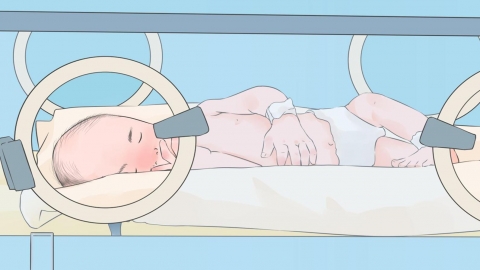
1. Increased risk of bleeding: Coagulation disorders in newborns can reduce the blood's ability to clot, making bleeding more likely even from minor injuries or vascular abnormalities. Common manifestations include skin bruising and mucosal bleeding, while severe cases may involve intracranial hemorrhage or gastrointestinal bleeding, which can be life-threatening.
2. Organ dysfunction: Persistent or recurrent bleeding can disrupt blood supply to various organs. For example, pulmonary hemorrhage can impair gas exchange, while renal hemorrhage can affect excretory function. Long-term complications may include declining organ function, increasing the body's overall burden.
3. Increased susceptibility to infections: Bleeding sites can become breeding grounds for bacteria. Additionally, coagulation disorders may weaken the immune system's defensive capabilities. Since newborns already have relatively weak infection resistance, they are more prone to infections, prolonging recovery time.
4. Impaired growth and development: Repeated bleeding caused by coagulation disorders consumes significant nutrients, affecting the newborn's absorption and utilization of nutrients. This can lead to slow weight gain and delayed physical development, with increasing developmental gaps compared to peers.
5. Effects on the nervous system: In cases of intracranial hemorrhage, coagulation disorders can exacerbate the severity of bleeding. Blood accumulation may compress brain tissue, potentially damaging nerve cells and causing symptoms such as altered consciousness and seizures, or even leaving permanent neurological deficits.
For newborns with coagulation disorders, close monitoring of skin, mucosal changes, and vital signs is necessary. Any signs of bleeding should prompt immediate medical attention. Daily care should avoid excessive touching or friction to minimize trauma risk. During treatment, it is essential to cooperate with the medical team in providing nutritional support and preventing infections to aid the newborn's gradual recovery.