


Symptoms and Early Warning Signs of High Blood Lipids
Mar 31, 2022
Source: Cainiu Health

Dr. Li Man
Introduction
Symptoms and Early Warning Signs of High Blood Lipids:
Individuals with elevated blood lipids (hyperlipidemia) typically do not exhibit obvious clinical warning signs. However, some patients may experience early symptoms such as excessive drowsiness or circadian rhythm disturbances. Others may develop dizziness, nausea, or chest tightness. “High blood lipids” generally refers to hyperlipidemia—a condition characterized by abnormally elevated levels of cholesterol and/or triglycerides in the plasma.
Blood lipids refer collectively to triglycerides, phospholipids, glycolipids, sterols, and steroids present in plasma. They are essential substances for fundamental cellular metabolism. Generally speaking, the primary components of blood lipids are triglycerides and cholesterol: triglycerides participate in energy metabolism within the human body, whereas cholesterol is primarily used for synthesizing cell membranes, steroid hormones, and bile acids. So, what are the symptoms and early warning signs of elevated blood lipids? Let’s explore them together.
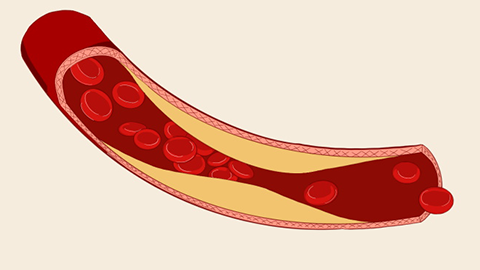
Symptoms and Early Warning Signs of Elevated Blood Lipids
Patients with elevated blood lipids typically do not exhibit obvious clinical warning signs. However, some individuals may experience excessive drowsiness or circadian rhythm disturbances as early indicators. Additional possible symptoms include dizziness, nausea, and chest tightness.
Elevated blood lipids generally refer to hyperlipidemia—a condition characterized by plasma cholesterol and/or triglyceride levels exceeding normal reference ranges. Hyperlipidemia is broadly classified into primary (genetic) and secondary (acquired) forms, often resulting from excessive dietary fat intake or abnormalities in lipoprotein synthesis or metabolism. While many patients remain asymptomatic, some may manifest early signs such as drowsiness or disrupted circadian rhythms.
Most patients are diagnosed incidentally during routine health examinations. Classic clinical manifestations of hyperlipidemia include xanthomas (fatty skin deposits), retinal changes, and premature corneal arcus. Some patients may also experience concomitant symptoms such as chest tightness, dizziness, polydipsia (excessive thirst), and polyuria (excessive urination). Under physician guidance, pharmacologic treatment options may include lovastatin capsules, probucol tablets, or bezafibrate dispersible tablets. In cases where hyperlipidemia coexists with severe obesity, bariatric surgery may be considered for further management.
It is essential to limit intake of high-calorie foods—such as fried chicken and steamed pork belly—to prevent symptom exacerbation.
We hope the above information is helpful to you. Wishing you a happy and healthy life!




