How long does the skin allergy recovery period last?
Apr 10, 2022
Source: Cainiu Health

Dr. Gan Liqiang
Introduction
The skin allergy recovery phase typically lasts about 5–7 days. Skin allergies commonly manifest as morphological changes—including erythema, papules, and wheals—accompanied by pruritus. In mild cases, where cutaneous symptoms are predominant and pruritus is not severe, spontaneous resolution may occur. However, for more severe drug-induced allergic dermatitis or recurrent cases, treatment with antihistamines—and in some instances, corticosteroids—may be required.
Whether the skin develops allergic reactions is closely related to proper skincare and preventive measures. The most effective approach to managing skin allergies is to avoid exposure to allergens. Common allergens include pollen, plant fluff, dust mites, medications, and certain foods—substances that people frequently encounter, especially during spring, which explains why allergic reactions are particularly prevalent during this season. So, how long does it take for the skin to recover from an allergic reaction?

How Long Does Skin Allergy Recovery Take?
The typical recovery period for a skin allergy lasts approximately 5–7 days—about one week. However, individual recovery times may vary, and some people may require a longer duration to fully recover. Skin allergy symptoms commonly manifest as erythematous patches, papules, urticarial wheals, and intense pruritus. Mild cases presenting solely with cutaneous symptoms and minimal itching often resolve spontaneously without medical intervention. In contrast, more severe cases—such as drug-induced allergic dermatitis or recurrent allergic reactions—may necessitate treatment with antihistamines or even corticosteroids.
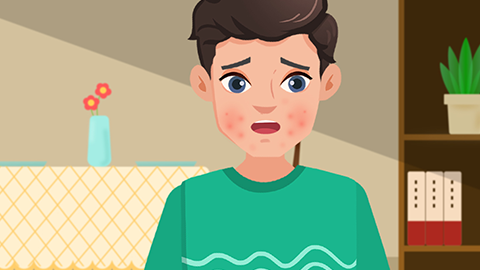
Individuals with skin allergies should maintain a light, bland diet. Those with known food allergies must exercise particular caution in dietary management: certain foods must be strictly avoided, as consuming them can compromise immune function and increase susceptibility to allergic reactions. Staying well-hydrated helps flush toxins from the body, while consuming protein-rich foods supports enhanced immunity and resilience. Additionally, patients should avoid exposure to wind, as allergens may disperse widely through air currents following peak allergy seasons. Therefore, windows should remain tightly closed, and clothing should provide adequate coverage.
The above addresses the question of how long skin allergy recovery typically takes. We hope this information proves helpful to you.