How to Properly Clean Smegma
Apr 12, 2022
Source: Cainiu Health

Dr. Wang Jianlong
Introduction
If the foreskin becomes trapped in a retracted position and cannot be returned to its normal state, immediate medical attention is required—prolonged paraphimosis may lead to glans necrosis, posing a serious threat to male reproductive health. To clean, gently retract the foreskin, remove smegma or calculi, and rinse the coronal sulcus with clean water or normal saline. Avoid retracting the foreskin too frequently, as the foreskin’s skin is delicate and excessive friction can cause damage.
Many men are unaware of how to properly remove smegma—the natural accumulation of dead skin cells, oils, and moisture beneath the foreskin—and do not know the correct cleaning techniques to ensure thorough hygiene. As a result, they often experience discomfort or health issues related to smegma buildup, which can adversely affect their overall health. So, how should smegma be cleaned correctly?
How to Clean Smegma Properly
During cleaning, the foreskin must be gently retracted to expose the coronal sulcus (the groove around the head of the penis). If significant adhesions are encountered—making self-retraction difficult or impossible—consult a specialist at Chengdu Boda Urology Hospital. A qualified urologist will use a blunt probe to carefully separate adherent tissues, ensuring complete retraction of the foreskin and full exposure of the glans and frenulum.

If the foreskin becomes trapped behind the glans after retraction (a condition known as paraphimosis) and cannot be returned to its normal position, immediate medical attention is required. Prolonged paraphimosis may lead to glans ischemia or even necrosis, posing serious risks to male reproductive health. Once the foreskin is safely retracted, gently remove any visible smegma or calcified deposits (smegma stones), then rinse the coronal sulcus thoroughly with clean water or sterile saline solution. Avoid retracting the foreskin too frequently, as the delicate foreskin skin is highly susceptible to irritation and damage from excessive friction.
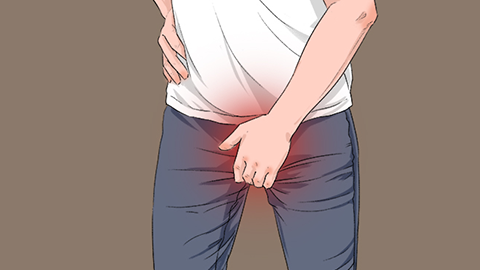
The inner surface of the foreskin is thinner and more fragile than the outer surface. Therefore, avoid using harsh or irritating cleansers when cleaning smegma. Plain water is sufficient for routine cleansing. Refrain from chemical detergents or other potentially irritating substances. If the area is particularly soiled, a mild, pH-balanced soap may be used sparingly during showering—but always prioritize gentle hygiene practices. We hope this information proves helpful to you.