


Can consuming vinegar dissolve kidney stones?
Apr 13, 2022
Source: Cainiu Health

Dr. Wang Jianlong
Introduction
This claim lacks scientific basis and rationale. After consuming vinegar, the vast majority of it is digested and absorbed in the body; it cannot reach the kidneys or ureters to dissolve stones. The most effective approach is to drink plenty of water. Increased fluid intake boosts urine output, thereby diluting the concentration of stone-forming substances in the urine, reducing crystal deposition, and facilitating the passage of stones out of the body.
A solid, stone-like mass formed within the lumen of ducts or hollow organs in the human or animal body. Such stones most commonly occur in the gallbladder, bladder, and renal pelvis, but may also be found in the pancreatic duct, salivary gland ducts, and other similar luminal structures. So—can consuming vinegar dissolve kidney stones? Below, we address this question.
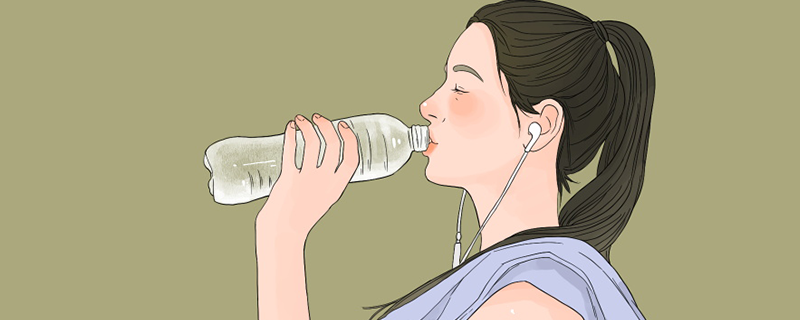
Can vinegar dissolve kidney stones?
This claim lacks scientific basis and rationale. After ingestion, the vast majority of dietary vinegar is digested and absorbed in the gastrointestinal tract; it does not reach the kidneys or ureters and therefore cannot exert any stone-dissolving effect.
The simplest and most effective approach for managing stones is to prevent further growth and facilitate early expulsion of small stones. The best strategy is to increase fluid intake—drinking more water increases urine volume, thereby diluting the concentration of stone-forming substances in urine, reducing crystal deposition, and promoting the natural passage of stones out of the body.
All patients diagnosed with stones should undergo stone composition analysis to guide personalized dietary recommendations—identifying which foods to consume more frequently and which to limit. This represents the optimal preventive strategy. It is recommended to eat abundant fresh vegetables, fruits, and whole grains, while limiting excessive intake of sodium, salt, and protein, and maintaining a daily fluid intake of at least 2,500 mL.
Knowledge Extension: Key Considerations for Patients with Stones
1. Increase fluid intake to promote stone passage and prevent formation of new stones.
2. Undergo regular ultrasound examinations to monitor changes in stone size, detect newly formed stones, and identify potential complications.
3. Seek timely medical treatment.
4. After stone passage, retain the expelled stone specimen for compositional analysis to inform dietary modifications and prevent recurrence.
5. Even asymptomatic stones warrant regular follow-up and proactive management to ensure complete stone clearance and prevent severe hydronephrosis and consequent loss of renal function.
6. Given the high recurrence rate of stones, prevention must remain a priority.
The above addresses the question of whether vinegar can dissolve kidney stones. We hope this information is helpful to you.








