


Does a routine blood test during a physical examination screen for HIV/AIDS?
Apr 14, 2022
Source: Cainiu Health

Dr. Huang Wenxiang
Introduction
Does a routine blood test during a physical examination screen for HIV/AIDS?
No, a routine blood test does not screen for HIV/AIDS. A routine blood test primarily measures the counts of various blood cells—including red blood cells, white blood cells, and platelets—and evaluates potential diseases (e.g., infections or hematologic malignancies) based on abnormalities in these counts. To test for HIV/AIDS, a specific blood draw is required to detect HIV antibodies.
A routine blood test during a physical examination is a standard assessment of blood cell components, primarily including white blood cell count and differential, red blood cell count, hemoglobin level, and platelet count. So, does a routine blood test screen for HIV/AIDS? Let’s explore this further.
Does a routine blood test screen for HIV/AIDS?
No, a routine blood test does not screen for HIV/AIDS. This test mainly measures the numbers of various blood cells—such as red blood cells, white blood cells, and platelets—and evaluates potential diseases (e.g., inflammation or hematologic malignancies) based on quantitative changes in these parameters.
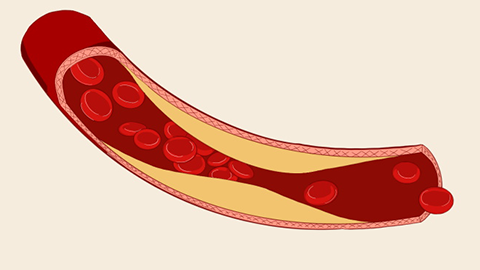
HIV testing requires a blood sample specifically to detect HIV antibodies. If the initial antibody test yields a positive result, a confirmatory test must be performed; only a positive confirmatory test can definitively diagnose HIV infection.
Currently, effective treatment options for HIV are available. Therefore, even if infected, individuals should not despair or abandon hope. It is essential to report the case to the local Center for Disease Control and Prevention (CDC), undergo evaluation, and determine—based on clinical assessment—whether antiretroviral therapy is indicated.
How to Prevent HIV/AIDS
1. Maintain sexual abstinence or fidelity; avoid prostitution, solicitation, and high-risk sexual behaviors. Additionally, refrain from illicit drug use and never share syringes or needles with others.
2. Do not share personal hygiene items such as razors or toothbrushes. Minimize direct contact with other people’s bodily fluids or blood, and promptly disinfect any objects contaminated by others’ blood or body fluids.
3. Use condoms correctly and consistently—this reduces HIV transmission risk by approximately 80%. Avoid transfusions or use of blood products unless they have been rigorously tested for HIV antibodies.
4. Avoid unprotected sexual intercourse. The greater the number of sexual partners and the higher the frequency of sexual contact, the greater the risk of HIV infection. Having a mutually monogamous sexual relationship lowers the risk of HIV acquisition and helps reduce viral transmission.
We hope the above information is helpful to you.






