How to treat chilblains on the hands
Apr 15, 2022
Source: Cainiu Health

Dr. Gan Liqiang
Introduction
Treatment medications for chilblains on the hands include both topical and oral agents. Topical treatments commonly used include chilblain ointment, vitamin E ointment, sodium heparin ointment, and polysulfated mucopolysaccharide cream—all of which possess antioxidant properties and promote blood circulation. Additionally, oral medications such as niacin and dipyridamole may be employed; both act as vasodilators.
Many individuals must work outdoors for extended periods, and during winter, they are prone to developing chilblains. In severe cases, intense itching may occur. How should chilblains on the hands be treated?
How to Treat Chilblains on the Hands
Treatment options for hand chilblains include both topical and oral medications. Topical agents commonly used include chilblain ointment, vitamin E ointment, heparin sodium ointment, and polysulfated mucopolysaccharide cream—all of which possess antioxidant properties and help improve local blood circulation. Oral medications such as niacin and dipyridamole may also be prescribed; both act as vasodilators and thus aid in alleviating chilblains. When used alongside appropriate topical therapy, these medications can yield satisfactory results. In addition to pharmacological treatment, patients should prioritize keeping their hands warm and dry, and engage in moderate physical exercise to enhance overall metabolic function.
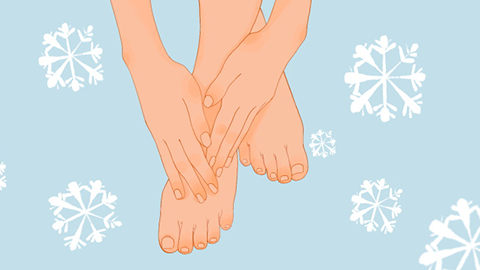
Chilblains result from exposure to cold temperatures combined with impaired peripheral microcirculation, leading to cutaneous congestion. Typical symptoms include localized itching, swelling, and a burning sensation; ulceration may cause pain. Patients are advised to maintain local warmth—wearing loose-fitting footwear and socks—and follow medical guidance for topical symptomatic treatment.
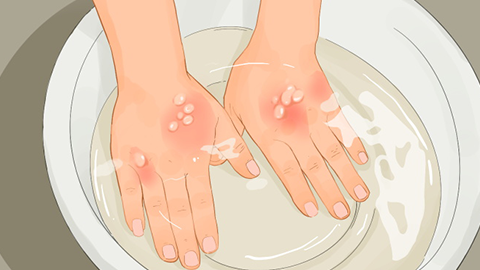
Keep the affected area clean and dry, and avoid contact with water for a short period. Avoid spicy or irritating foods, as these may exacerbate symptoms. Adequate warmth protection is essential. We hope this information proves helpful!