


How many types of viruses are there?
Apr 18, 2022
Source: Cainiu Health

Dr. Yang Ziqi
Introduction
In general, viruses are highly diverse and typically include DNA viruses, RNA viruses, double-stranded RNA viruses, retroviruses, and bacteriophages. In daily life, it is essential to cultivate healthy habits—maintaining a regular sleep schedule, engaging in appropriate physical activity, and consuming adequate nutrition—to strengthen the body’s immune defenses and implement proper protective measures to reduce the risk of infection.
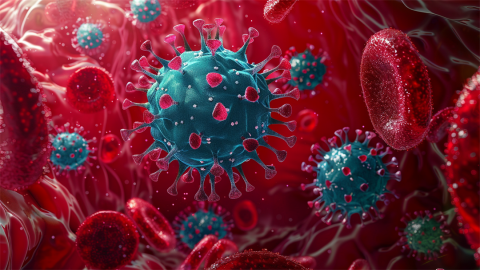
Generally, viruses are highly diverse and include DNA viruses, RNA viruses, double-stranded RNA viruses, retroviruses, and bacteriophages, among others. A detailed classification is as follows:
1. DNA Viruses
These viruses use deoxyribonucleic acid (DNA) as their genetic material. Their host range is broad, encompassing cellular organisms from bacteria to mammals.
2. RNA Viruses
These viruses use ribonucleic acid (RNA) as their genetic material. RNA viruses typically exhibit high mutation rates, making them difficult to eradicate completely with vaccines or antiviral drugs.
3. Double-Stranded RNA Viruses
The genomes of these viruses consist of two complementary RNA strands. Their host range is extensive, including humans, animals, plants, fungi, and bacteria.
4. Retroviruses
Retroviruses possess single-stranded RNA genomes; however, they utilize reverse transcriptase to convert viral RNA into DNA, which then integrates into the host cell’s genome.
5. Bacteriophages
Bacteriophages are viruses that specifically infect bacteria. Their genomes may consist of either DNA or RNA and exhibit high specificity for bacterial hosts.
In daily life, it is essential to cultivate healthy habits—maintaining regular sleep schedules, engaging in appropriate physical activity, and consuming adequate, balanced nutrition—to strengthen the body’s immune defenses and implement effective protective measures to reduce infection risk.





