


Causes of Hematochezia
Apr 22, 2022
Source: Cainiu Health

Dr. Liu Zhengxin
Introduction
Rectal bleeding is a very common symptom, typically caused by the following six conditions:
- Hemorrhoids—The most common cause of blood in the stool;
- Colonic polyps and colorectal cancer—Both may present with bleeding;
- Enteritis—May also cause rectal bleeding;
- Anal fissures—Result from tearing of the anal or rectal mucosa, leading to bleeding;
- Upper gastrointestinal (e.g., gastric) bleeding—Blood may appear in the stool (often as melena);
- Certain systemic diseases—May also manifest with rectal bleeding.
Hematochezia (passage of bright red blood from the rectum) is a common symptom with numerous potential causes. These include hemorrhoids—the most frequent cause of bloody stools—colonic polyps, colorectal cancer, inflammatory bowel disease (IBD), anal fissures, upper gastrointestinal (GI) bleeding, and certain systemic diseases.

Causes of Hematochezia
1. Hemorrhoids
Hemorrhoids are the most common cause of hematochezia and frequently affect younger individuals. Bleeding typically presents as bright red blood or blood drops during defecation. Additional symptoms may include perianal pruritus (itching), moisture, and prolapse of internal hemorrhoids.
2. Colonic Polyps and Colorectal Cancer
Both colonic polyps and colorectal cancer can cause bleeding. The blood is usually dark red and mixed with stool, often accompanied by mucus or pus.
3. Enteritis/Colitis
Enteritis or colitis—including infectious colitis, ulcerative colitis, and Crohn’s disease (a type of immune-mediated IBD)—may also manifest with hematochezia.
4. Anal Fissure
An anal fissure refers to a tear in the anorectal mucosa, resulting in rupture of small blood vessels. It commonly causes minor bleeding during defecation, rarely leading to significant hemorrhage.
5. Upper Gastrointestinal Bleeding
While hematochezia typically originates from the colon or rectum, bleeding from the stomach, duodenum, or small intestine usually presents as melena (black, tarry stools).
6. Systemic Diseases
In addition to GI disorders, hematochezia may result from hematologic conditions or other systemic diseases. Certain medications—such as aspirin or low-molecular-weight heparin—may also predispose patients to bleeding, especially with prolonged use.
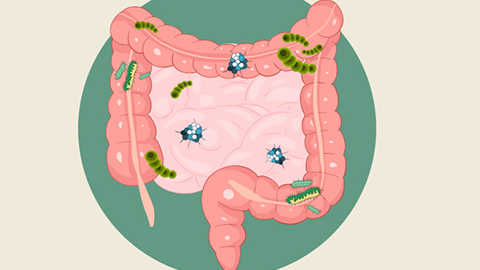
Given the wide range of possible etiologies for hematochezia, prompt medical evaluation is recommended whenever this symptom occurs. Accurate diagnosis and appropriate treatment should be guided by a qualified healthcare professional.







